Mhqail Skotti
 Russia
- Mikhail Ivanovich Scotti: Italian-Born Russian Artist
- Artistic Accomplishments
- Travels and Inspiration
- Academic Recognition and Legacy
- Later Years and Death
- Notable Works
Mikhail Ivanovich Scotti: Italian-Born Russian Artist
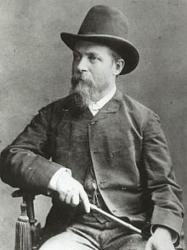
Early Life and EducationBorn in Saint Petersburg in 1812, Mikhail Ivanovich Scotti was the son of an Italian father. After his father's passing, he became a live-in student of Professor A.E. Egorov, attending classes at the Imperial Academy of Arts as a non-resident student.
Artistic Accomplishments
Scotti's exceptional drawing skills earned him silver medals in 1831 and 1832. In 1835, he won a small gold medal for his painting "Patriotism of the Nizhny Novgorod Citizens in 1612." He graduated from the academy with the title of Artist of the XIV Class.
Travels and Inspiration
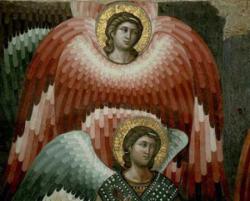
In 1839, Scotti joined the Kutaisov family for a trip to Italy, where he spent five years immersing himself in local scenes, folk culture, and landscapes. Upon his return to Saint Petersburg, he traveled to Constantinople briefly to install an iconostasis he had created for the Russian embassy church.
Academic Recognition and Legacy
In 1845, Scotti was elevated to the rank of Academician for his previous works. From 1849 to 1856, he served as a painting instructor and class inspector at the Moscow School of Painting, Sculpture, and Architecture. In 1855, he was awarded the title of Professor for his religious paintings in the chapel of the Leib Guard Jaeger Regiment.
Later Years and Death
After leaving the Moscow School, Scotti returned to Italy with the intention of settling there permanently. However, he passed away in Paris in 1861. Scotti was a skilled draftsman who excelled in oil, watercolor, and pencil.
Notable Works
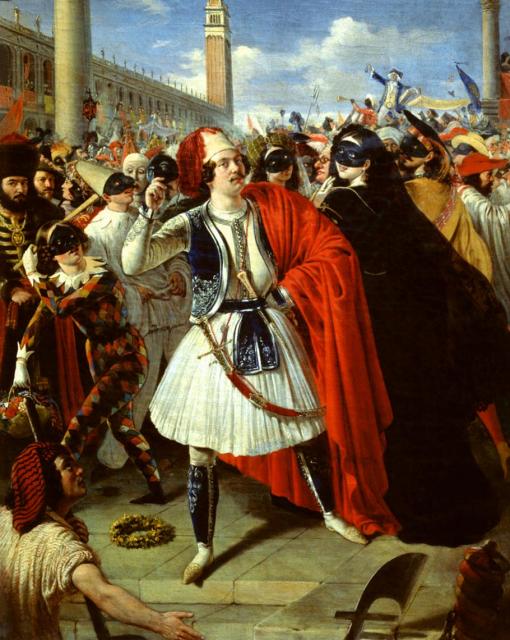
Among his notable works are icons in the churches of the Marble Palace, the Horse Guards Regiment, and the Gatchina City Cathedral. His paintings "Italian Woman with a Rose" and "Three Neapolitans" are displayed in the Emperor Alexander III Museum. His numerous watercolors, including "A Religious Procession in Rome during Carnival" and "Arms Market in Constantinople," are mostly held in the albums of the Imperial Family.