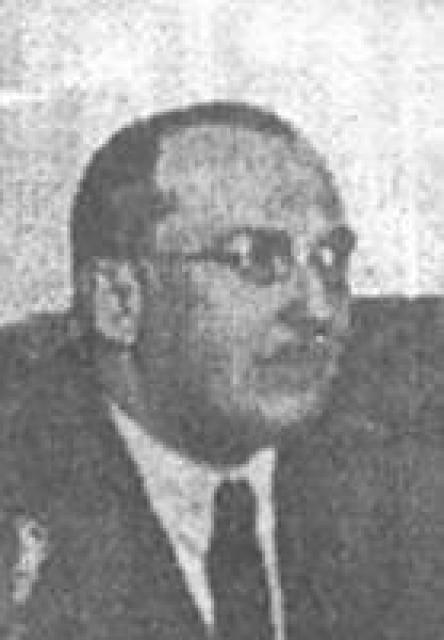
Mihail Andreev-Turkin
- Early Life and Education
- Civic Activism and Business Pursuits
- Administration and Archives
- Preservation of Chekhov's Legacy
- Repression and Rehabilitation
Early Life and Education
Born on September 10, 1868, in Taganrog, Russia, to a fishing industry family, Mikhail Andreev-Turkin's early life was marked by formal education until he was forced to leave after the seventh grade and work to support his family.
Civic Activism and Business Pursuits
From 1886 to 1905, Andreev-Turkin engaged in private entrepreneurship before embarking on a career in civic service. Between 1905 and 1917, he was elected a member of the city council, followed by an appointment as Head of Finance for the Zemsky Union from 1905 to 1918.
Administration and Archives
During the tumultuous years of 1919-1920, he served as Deputy Chairman of the Zemsky Union and Head of Finance. From 1920 to 1922, he managed the finances of the Health Department. His later administrative roles included working in the archive of the communal economy, chairing the city archival commission, and serving as a consultant archivist.
Preservation of Chekhov's Legacy
Andreev-Turkin's most notable contribution was his role in preserving the legacy of renowned Russian writer Anton Chekhov. Plans to establish a Chekhov museum in Taganrog had been in place before the revolution, but the city lacked the funds to acquire Chekhov's birthplace. As a private individual, Andreev-Turkin purchased the house and became the first director of the Chekhov museum.
Repression and Rehabilitation
Andreev-Turkin's activism drew the attention of the authorities, and he was arrested and sentenced to five years in exile. However, the Military Collegium of the Supreme Court of the USSR later rehabilitated him.




