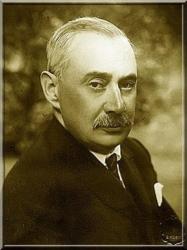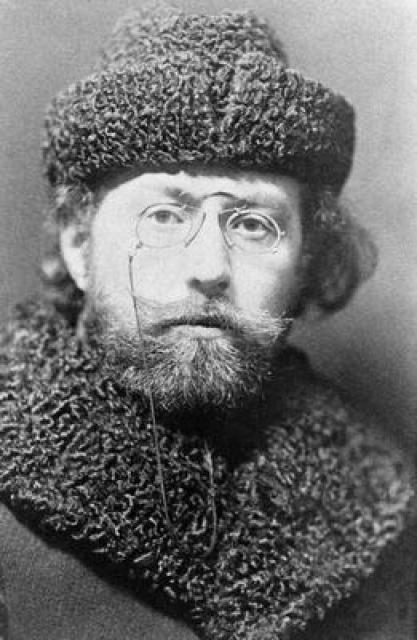
Mikhail Artzibashev
 Russia
- Early Life and Career
- Controversy and Success
- Exploration of Death and Despair
- Portrayal of Revolution and Social Unrest
- Cynicism and Nihilism
- Reaction to Revolution and Emigration
- Literary Legacy
Early Life and Career
Mikhail Petrovich Artsybashev (1878-1927) was born into a family of minor nobility in Russia. Growing up in a small town, he witnessed the hardships and struggles of the local population. This experience would later shape his literary perspective. Artsybashev began his writing career in 1901 with the short story "Pasha Tumanov." The story explored the oppressive nature of the Russian school system and the tragic consequences it had on young people.
Controversy and Success
In 1907, Artsybashev published his controversial novel, "Sanin." The novel, which examined the relationship between love, sex, and morality, sparked outrage and led to numerous legal challenges in Russia, Germany, and Austria-Hungary. Despite the controversy, "Sanin" became a literary sensation, selling millions of copies and being translated into many languages. It cemented Artsybashev's reputation as a daring and provocative writer.
Exploration of Death and Despair
A central theme in Artsybashev's work is the exploration of death and despair. He depicted the dying process in excruciating detail, delving into the physical and psychological torment faced by his characters. In stories like "The Horror" and "The Last Line," he examined the futility of human existence and the inevitability of death.
Portrayal of Revolution and Social Unrest
Artsybashev also witnessed the social and political turmoil of his time. He wrote about the 1905 Revolution and its aftermath in works such as "The Bloody Spot" and "On the White Snow." In these works, he depicted the brutality of the Tsarist regime and the struggles of the Russian people.
Cynicism and Nihilism
As Artsybashev's career progressed, his writing became increasingly cynical and nihilistic. He questioned the value of human life and the possibility of progress. His characters often expressed contempt for the social conventions and moral values of their time. In his novel "At the Last Line," he created a protagonist who preached the futility of human existence and advocated for the abandonment of all societal norms.
Reaction to Revolution and Emigration
After the October Revolution of 1917, Artsybashev became a staunch opponent of the Soviet regime. He wrote a series of "Notes of a Writer" criticizing the new government and its policies. In 1923, he emigrated from Russia to Poland, where he spent the rest of his life.
Literary Legacy
Mikhail Artsybashev was a significant figure in Russian literature of the early 20th century. His controversial and provocative writings challenged societal norms and explored the darker aspects of human nature. Despite the criticism he faced, his works remain influential and continue to be debated and discussed by scholars and readers alike.