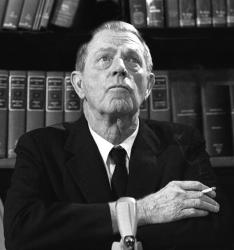
Gyula Krudy
 Hungary
- Gyula Krúdy: The Hungarian Literary Giant
- Rejection of Family Legacy and Embracing Journalism
- Literary Debut and Publications
- Personal Struggles and Marital Dissolution
- Decline and Loss of Fame
- Rediscovery and Revival
- Modern Critical Acclaim
Gyula Krúdy: The Hungarian Literary Giant
Early Life and FamilyGyula Krúdy, a Hungarian author and journalist, was born into a unique family background. His father was a lawyer, while his mother was a servant who worked for the noble Krúdy family. Despite his mother's lower status, his parents married when Krúdy was already seventeen.
Rejection of Family Legacy and Embracing Journalism
Krúdy's father had planned for him to pursue a legal career, but the young man had a different calling. He became a journalist, defying his father's expectations and sacrificing his inheritance. Krúdy's journalistic work took him to various cities before he finally settled in Budapest.
Literary Debut and Publications
Krúdy's debut novel, a collection of short stories, was published in 1897. He gained recognition for his novellas, particularly those collected in "The Adventures of Sindbad" (1911). Krúdy's other notable work, "Sunflower" (1918), brought him substantial success.
Personal Struggles and Marital Dissolution
Despite his literary achievements, Krúdy struggled with alcoholism, gambling, and infidelity. His marriage to the teacher and writer Bella Spiegler (literary pseudonym: Szatanella) ended in divorce.
Decline and Loss of Fame
By the 1930s, Krúdy's health had deteriorated, and his readership had dwindled. Even the prestigious Baumgarten Prize awarded to him in 1930 failed to revive his fortunes. After his death, his literary legacy faded into obscurity.
Rediscovery and Revival
Krúdy's reputation was revived in 1940 with the publication of Sándor Márai's biographical novel "The Return of Sinbad." A second wave of fame arrived thanks to Zoltán Huszárik's 1971 film adaptation of "Sinbad," which won numerous awards. Subsequent screen adaptations of Krúdy's works further cemented his status as a literary giant.
Modern Critical Acclaim
Contemporary critics have hailed Krúdy as "the Hungarian Proust," recognizing his profound insights into the human condition and his mastery of literary form. His works continue to be celebrated for their evocative language, psychological depth, and enduring themes.