Millicent Fawcett
 Great Britain
Biography of Millicent Fawcett
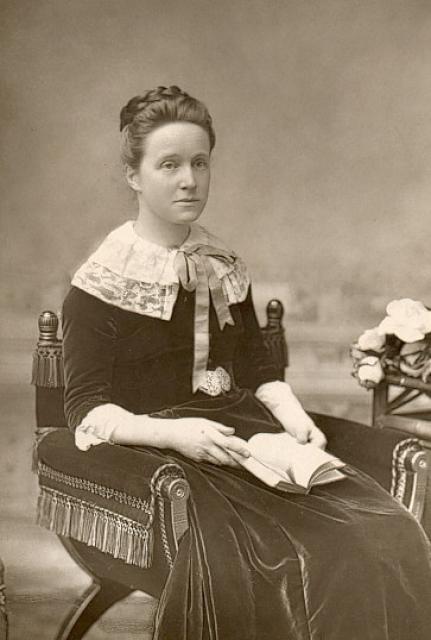
Millicent Garrett Fawcett, Lady of the Order of the British Empire and Doctor of Laws, was a leading British suffragist and feminist who played a crucial role in the women's suffrage movement. She was born on June 11, 1847, in Aldeburgh, England, to Newton Garrett, a wealthy shop owner, and his wife, Louise Dunnell. Millicent was one of their ten children, and her sister, Elizabeth Garrett Anderson, became the first female doctor.

Early Activism
In 1865, Elizabeth, who was already involved in the women's rights movement, invited Millicent to attend a lecture by John Stuart Mill on the subject. Millicent was deeply moved by Mill's speech and became actively supportive of his work. In 1886, at the age of 19, she was appointed as a secretary for the London Society for Women's Suffrage. Through her work, Millicent met many other suffragists, including Henry Fawcett, a liberal politician and former fiancé of Elizabeth Garrett Anderson. Despite their 14-year age difference, Millicent and Henry developed a close friendship and married in 1867, taking the name Millicent Garrett Fawcett.

Advocacy and Writing
In 1858, Henry Fawcett lost his sight due to an accident, and Millicent not only became his devoted wife but also his faithful secretary. While supporting her husband, she also focused on her writing career. Millicent was known for her moderate approach to activism, distancing herself from the more militant and violent tactics employed by followers of the Women's Social and Political Union. She believed that such actions would only impede women's chances of gaining suffrage, as they created a negative reaction among members of Parliament who were already debating the issue.
Legacy
Apart from her suffrage work, Fawcett also campaigned against the Contagious Diseases Acts, which enforced double standards on sexual behavior and targeted women as carriers of sexually transmitted diseases. These acts allowed authorities to arrest women suspected of being prostitutes and forcibly subject them to invasive and painful medical examinations. Interestingly, the acts did not extend to male clients. Through the efforts of Fawcett and other organizations, these acts were eventually repealed.
Millicent Garrett Fawcett's dedication to the cause of women's suffrage and her tireless efforts to promote gender equality left a lasting impact on British society. Her legacy lives on as a champion for women's rights and a pioneer in the fight for gender equality.