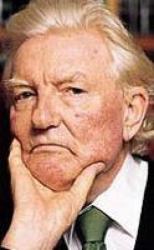
Miroslav Borisenko
 Ukraine
- Early Life and Education
- Academic Career and Research
- From Maidan to Military Service
- Scholar and Officer
- Public Image and Significance
Myroslav Borysenko has worked at the meeting point of history and lived experience. An academic known for studying how Ukrainians inhabited and understood their cities, he also became a soldier, carrying his historical perspective from university classrooms into the realities of war.
Early Life and Education
Borysenko was born in Kyiv on February 22, 1974. History was present in his family from the start: both of his parents were historians, and he has recalled being interested in Ukraine’s past from childhood. He studied at the history faculty of Taras Shevchenko National University of Kyiv, graduating in 1996, and continued there in postgraduate study from 1996 to 1999. He later pursued doctoral studies at the same university.
His academic work developed around Ukraine’s social and cultural history, especially the first half of the twentieth century. His research has examined literary organizations and censorship, daily life under Soviet rule, urban architecture, housing, and the growth of city infrastructure. Rather than treating the past only as a sequence of political events, he has paid close attention to the homes, neighborhoods, habits, and social conditions that shaped ordinary people’s lives.
Academic Career and Research
From 1999 to 2006, Borysenko taught at Vadym Hetman Kyiv National Economic University, where he progressed from assistant to associate professor. In 2009, he joined the history faculty at Taras Shevchenko National University as a faculty member in its Department of Ethnology and Local History. He developed courses on urban culture and everyday life and taught Ukrainian ethnology.
One of his major research projects investigated housing and the daily lives of urban residents as Ukraine’s cities changed during the 1920s and 1930s. His 2009 monograph, Housing and Everyday Life of the Urban Population of Ukraine in the 1920s and 1930s, grew from that work. He also studied Soviet-era city planning, architectural landscapes, censorship, and the social dimensions of totalitarian culture. University and scholarly profiles list dozens of his publications, including work on urban festivals, consumer behavior, and modern city life.
From Maidan to Military Service
Borysenko’s own life changed amid the political upheaval of 2013–2014. He took part in the Revolution of Dignity in Kyiv, at times keeping watch on the Maidan at night before returning to teach at the university. In interviews, he described Russia’s seizure of Crimea and the fighting in eastern Ukraine as a turning point that made remaining at the lectern feel insufficient.
He entered military service during the conflict that began in 2014. Accounts of his path describe an initial connection to the Donbas volunteer battalion, followed by his acceptance into the 95th Separate Air Assault Brigade in January 2015. Before then he had not served in the military, although he had completed university military training and held a reserve officer’s rank. The change from historian to combatant brought new lessons about military life, comradeship, and the ways people adapt under pressure.
Borysenko later reflected on those experiences in essays and interviews, including an ethnographic account of front-line routines and soldiers’ culture. His perspective as a researcher remained active even in wartime: he observed how shared hardship shaped daily practices and bonds between service members, while also resisting the temptation to romanticize what he saw.
Scholar and Officer
As of a 2024 interview, Borysenko was serving as an officer in Ukraine’s Unmanned Systems Forces. He chose not to disclose his military unit or operational details. His wartime service has therefore remained intertwined with, rather than replacing, his academic identity. He has continued to speak publicly about Ukraine’s past, the demands facing the armed forces, and the experiences of people living through war.
Public Image and Significance
Borysenko’s public profile rests on two demanding roles: professor and soldier. His scholarship brings everyday urban experience into the study of modern Ukrainian history; his military service has given him firsthand knowledge of the upheaval that reshapes ordinary life. Together, those paths have made him a distinctive voice on how history is lived—not only remembered in books, but encountered in streets, homes, and the front line.