
Miroslav Skoro
 Croatia
Biography of Miroslav Škoro
Miroslav Škoro is a popular Croatian singer, musician, and politician. He was born on July 29, 1962, in Osijek, Slavonia, Croatia. Škoro purchased his first guitar in the winter of 1978. He started his career as a vocalist and guitarist in Osijek rock bands, such as "Zadnja stanica" (1979-1983) and "OK Band" (1983-1985).
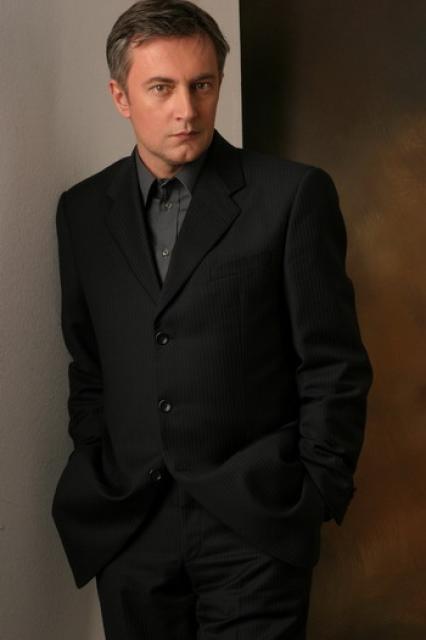
In 1985, Škoro transitioned to a different genre and began performing his own traditional Croatian songs using tamburicas, which are stringed instruments similar to mandolins. He collaborated with the Osijek ensemble "Slavonski bećari" and released his first album, "Ne dirajte mi ravnicu," in 1992. The title track, which translates to "Don't Touch My Plain," became an instant hit and Škoro gained popularity. The expression "Ne dirajte mi ravnicu" became an idiom during the war for independence and was used by many other Croatian authors.

In 1993, Škoro formed his own folk instrument ensemble called "Ravnica" and released the album "Miroslav Škoro i Ravnica." One of the popular songs from the album was "Mata," which referenced the events of May 1945 in Bleiburg, Austria, where Yugoslav partisans executed Croatian and Slovenian collaborators and their families.
During 1995-1997, Škoro served as the Consul General of Croatia in Hungary. Despite his busy schedule, he continued to give concerts, and in 1996, he released another album with Jerry Grčević called "Sitan vez."
In 1997, Škoro had a minor role in the Croatian film "Mondo Bobo" directed by Goran Rušinović. He also performed at the Vatroslav Lisinski Concert Hall in Zagreb in February 1998, and the live recording of this concert was released as a double CD, titled "Miroslav Škoro, uživo."
After this, Škoro began moving away from folk music towards pop music. He formed a band called "Band iz Osijeka" and released several albums, including "Ptica samica" (1999), "Milo moje" (2003), and "Svetinja" (2005). In 2001, Škoro became the Chairman of the Board of Directors of Croatia Records, the largest music label in Croatia. He released the album "Slagalica" the same year.
In 2006, Škoro composed the music for the Croatian film "Put lubenica" (The Path of Watermelon) directed by Branko Schmidt. He resigned from his position as Chairman of the Board of Directors of Croatia Records in the same year.
His next album was a compilation of his best songs called "Sve najbolje" (Everything the Best) released in 2007. In 2008, he released the album "Moje boje" (My Colors).
Miroslav Škoro continues to actively perform concerts in Croatia and countries with large Croatian diasporas. He is married and has two children. Škoro is known for his patriotic views and strong opposition to the processes against Croatian military personnel in the International Criminal Tribunal for the former Yugoslavia.
In 2002-2003, Škoro collaborated with Marko Perković Thompson on the songs "Reci, brate moj" (Say, My Brother) and "Sude mi" (They Judge Me) in support of the then-fugitive General Ante Gotovina. Škoro performed the song "Mata" at the funeral of General Janko Bobetko, who had refused to be extradited to the Hague Tribunal.
In 2007, Miroslav Škoro joined the Croatian Democratic Union and participated in the parliamentary elections in Croatia. After successfully entering parliament, he was nominated by the HDZ as a candidate for mayor of Osijek but lost the election. He has been honored with the Order of the Croatian Star with the face of Marko Marulić, the Order of the Croatian Trefoil, and the Medal of Gratitude of the Homeland.