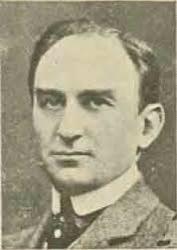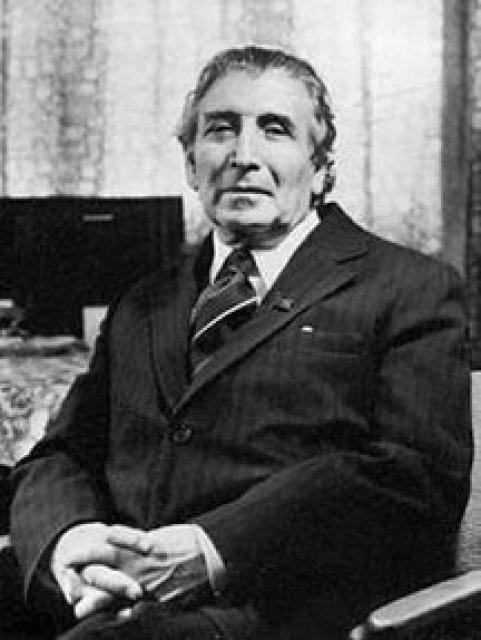
Mirza Ibragimov
 Azerbaijan
- Mirza Ibrahimov: A Literary and Political Luminary
- Literary Beginnings and Political Engagements
- Playwright and Leader
- President of the Supreme Soviet
- Writer and Publicist
- Literary Critic and Translator
- Legacy
Mirza Ibrahimov: A Literary and Political Luminary
Early Life and EducationMirza Ibrahimov was born on October 28, 1911, into a humble peasant family in Southern Azerbaijan. Amidst poverty and loss, he began working at a young age but found solace in education. He completed elementary school and, with the support of the pioneer organization, enrolled at a vocational school in 1929. He later graduated from the Azerbaijan State Petroleum Industry College in 1931.
Literary Beginnings and Political Engagements
Ibrahimov's interest in literature began in 1930, when he wrote stories while working in the oil industry. He joined the Communist Party in 1930 and pursued further education, graduating from the Leningrad Institute of Oriental Studies in 1937 and earning a PhD in philology in 1941. During this time, he held various positions in the arts administration of Azerbaijan and served as Minister of Education from 1942-1947.
Playwright and Leader
Ibrahimov's first major work was the play "Hayat" (1935), which depicted the struggle for collective farming. He also wrote "Madrid" (1938) about the Spanish Civil War and "Mahabbbat" (1942) about Soviet people's sacrifices during World War II. His plays were characterized by compelling conflicts, realistic characters, and vibrant dialogue, significantly contributing to Azerbaijani Soviet literature.
President of the Supreme Soviet
Ibrahimov was elected Chairman of the Presidium of the Supreme Soviet of Azerbaijan in 1954 and served until 1958. He played a pivotal role in shaping the republic's policies and was a dedicated advocate for its cultural development.
Writer and Publicist
Ibrahimov authored several novels, including "The Day Will Come" (1948), which chronicled the struggles of Southern Azerbaijanis against Iranian despotism. He also wrote "The Great Support" (1957) about post-war rural life, "Parwaneh" (1969-1970) about Nariman Narimanov's revolutionary activities, and "New Times" (1971). As a publicist, he wrote extensively on literature and language, notably a major study on Azerbaijani literary giant Jalil Mammadquluzadeh.
Literary Critic and Translator
Ibrahimov was an accomplished translator, bringing works by Shakespeare, Chekhov, and Chernyshevsky into Azerbaijani. He also published essays on literary criticism, offering insights into language and literature.
Legacy
As a literary and political figure, Mirza Ibrahimov left an indelible mark on Azerbaijan. His plays, novels, and critical works illuminated the complexities of his time, while his leadership and dedication to education and culture shaped the republic's future.