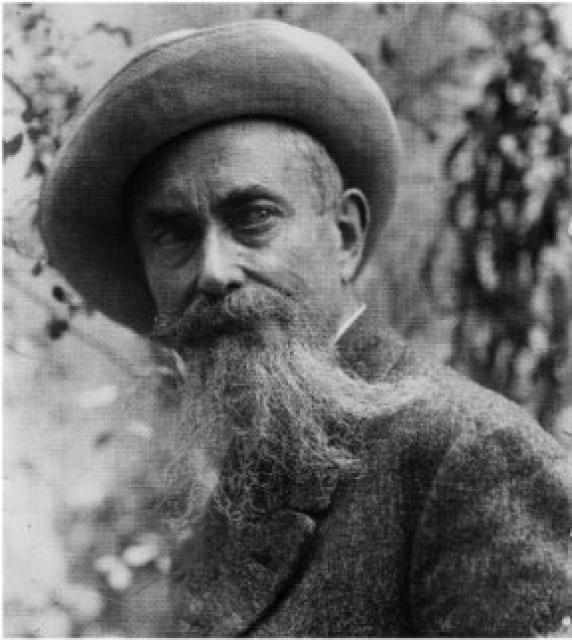
Luigi Illica
 Italy
Italy- Luigi Illica: A Maestro of Italian Opera
- Collaboration with Puccini
- Influence on Verismo
- Other Notable Collaborations
- Later Years and Legacy
Luigi Illica: A Maestro of Italian Opera
Early Life and BeginningsLuigi Illica was born on May 9, 1857, in Castel Arquato, a small town near Piacenza in Italy. His literary journey commenced in 1882, showcasing his exceptional talent as a librettist.
Collaboration with Puccini
Illica's most prominent contributions lie in his collaborations with the renowned composer Giacomo Puccini. He co-authored numerous librettos for Puccini's operas, including "Manon Lescaut" (1893), "La Bohème" (1896), "Tosca" (1900), and the beloved "Madama Butterfly" (1904).
Influence on Verismo
Illica played a pivotal role in the development of Verismo, a genre that emerged in Italian opera during the late 19th century. With its emphasis on realism and everyday life, Verismo sought to portray the struggles and emotions of ordinary individuals. Illica's librettos, particularly those for Puccini's operas, deftly captured the essence of this movement.
Other Notable Collaborations
Beyond his work with Puccini, Illica collaborated with other prominent composers. These included Alfredo Catalani ("La Wally"), Umberto Giordano ("Andrea Chénier" and "Siberia"), Alberto Franchetti ("Cristoforo Colombo"), and Pietro Mascagni ("Iris," "Le Maschere," and "Isabeau").
Later Years and Legacy
Illica's final resting place lies in Colombarone, near Piacenza. He passed away on December 16, 1919, leaving behind an enduring legacy in the world of opera. His librettos continue to be performed and celebrated, contributing to the captivating artistry of Italian musical theater.