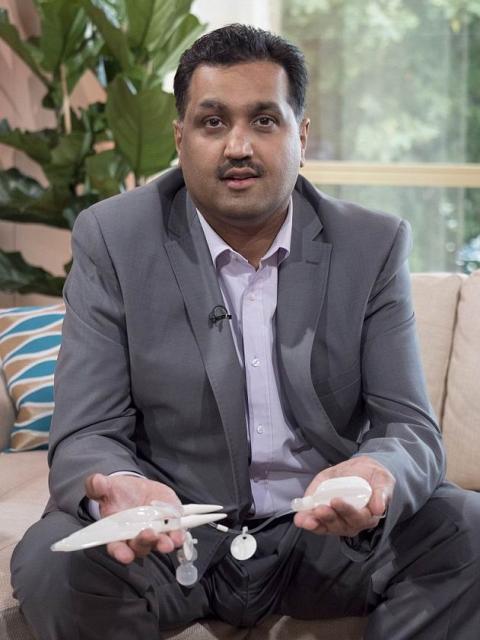
Mohammed Abad
 Great Britain
For much of his adult life, Mohammed Abad lived with the effects of a devastating childhood accident. Decades later, a complex reconstructive operation gave him a new option—and brought him into the public eye as a patient willing to speak openly about a subject often hidden by embarrassment.

Childhood Accident and Recovery
Abad was six when he was struck by a car in Huddersfield, England. The accident caused severe injuries, including the loss of his genitals. In later interviews, he recalled spending years in and out of hospital and living for much of his life with a tube in place and without the anatomy most people take for granted. He has described the experience as physically and emotionally difficult, and said the lack of treatment options at the time shaped many years of his life.

Reconstructive Surgery
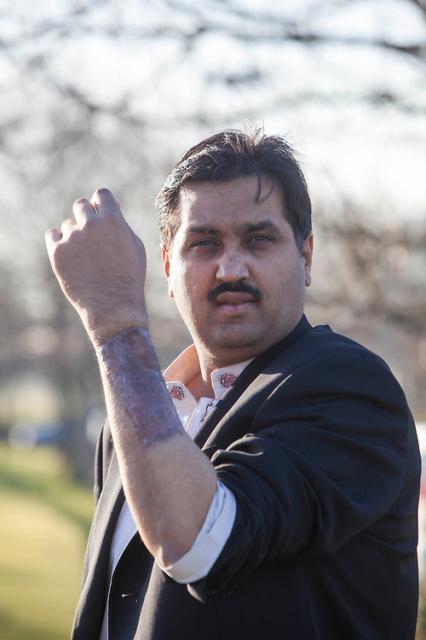
As surgical options advanced, Abad sought help from specialists. Surgeons at University College London carried out a lengthy reconstructive process, using tissue from his arm to create a new organ and fitting an inflatable implant that could be operated by a pump. Popular media often called it a “bionic penis”; medically, it was a form of phalloplasty and prosthetic reconstruction.
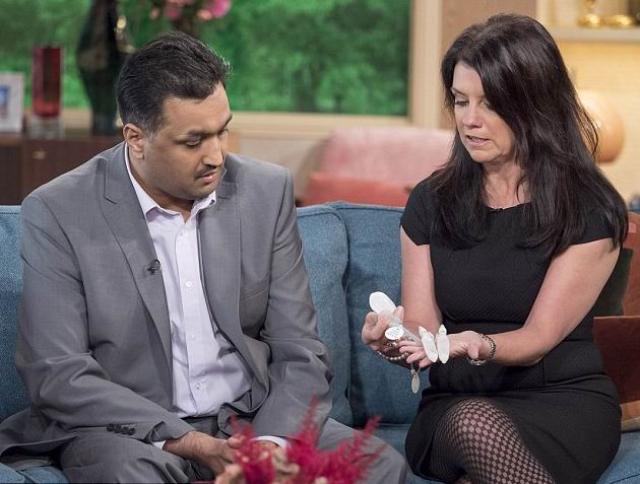
The procedure attracted attention because it offered Abad a chance to stand while urinating and to pursue an intimate life that had previously been out of reach. He spoke about the years of treatment in interviews with British television programs, including This Morning, and described his relief at finally having a functioning reconstruction. His willingness to discuss the operation helped bring public attention to reconstructive surgery and the emotional impact of genital loss.
Public Attention and Personal Life
As the story spread, headlines often focused on the novelty of the implant. Abad also spoke about the more personal consequences of his injury, including the effect it had on relationships and his confidence. In 2016, he publicly discussed having sex for the first time at age 44 after the reconstruction, sharing the experience in a television interview. The attention was intense, but he continued to answer questions about his treatment and life in his own words.
In a 2025 interview, Abad reflected on the accident, the reconstruction and the mental toll of living without a penis for much of his life. He described no longer feeling ashamed of his history and said he would be open with a future partner about what he had been through. His interviews have made his story familiar to audiences far beyond the medical community, while also putting a human face on a highly technical procedure.
Legacy
Abad’s public profile grew from a medical story, but its lasting force lies in the long personal journey behind it: a child surviving catastrophic injuries, an adult pursuing reconstructive care and a patient choosing to speak openly about bodily difference and intimacy. By taking part in interviews over many years, he helped make a rarely discussed form of reconstruction more visible and challenged the stigma surrounding it.


