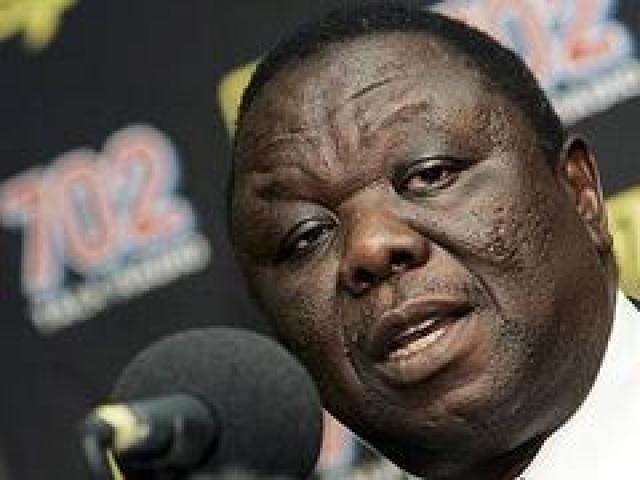
Morgan svangirai
 Zimbabwe
- The Early Life and Activism of Morgan Tsvangirai
- The Rise of the Zimbabwe Congress of Trade Unions
- The Battle for Power with Robert Mugabe
- Presidential Elections and Repression
- Personal Life
The Early Life and Activism of Morgan Tsvangirai
Morgan Tsvangirai was born on March 10, 1952, in Southern Rhodesia (now Zimbabwe) into a large family. At the tender age of 16, he dropped out of school and began working as a weaver in a textile factory. In 1974, he moved to the Trojan nickel mine in Central Mashonaland, where he worked his way up from machine operator to senior foreman over the next decade. It was at the mine that Tsvangirai first emerged as a trade union activist. He became chairperson of the Associated Mine Workers Union of Zimbabwe branch and was elected to the executive committee of the National Mine Workers Union.
The Rise of the Zimbabwe Congress of Trade Unions
In 1988 (or 1989 according to some sources), Tsvangirai became the General Secretary of the Zimbabwe Congress of Trade Unions (ZCTU). Under his leadership, the ZCTU transformed from a pro-government organization into a formidable opposition force. In the 1990s, it organized mass protests against rising taxes and declining living standards for the majority of Zimbabweans.
The National Constitutional Assembly and the Movement for Democratic Change
In 1997, a broad alliance of pro-democracy civil society movements came together to form the National Constitutional Assembly (NCA). Tsvangirai was elected as its chairperson. In September 1999, opponents of President Robert Mugabe's regime united under a political party, the Movement for Democratic Change (MDC), with Tsvangirai as its leader. He resigned from his top positions in the ZCTU and NCA to focus on the MDC.
The Battle for Power with Robert Mugabe
In 2000, the MDC's effective campaigning prevented Mugabe from winning a national referendum on a proposed new constitution that would have significantly expanded presidential powers. In the parliamentary elections that same year, the MDC lost to the ruling Zimbabwe African National Union - Patriotic Front (ZANU-PF), but it captured 47% of the vote, establishing itself as the first viable opposition to Mugabe's regime in independent Zimbabwe. In 2005, Tsvangirai's movement performed less well, with only 39.5% and 20.3% of votes in the House of Assembly and Senate elections, respectively. This was due to internal conflicts and a party split in October 2005.
Presidential Elections and Repression
Tsvangirai ran for president twice. In 2002, he lost to Mugabe, who garnered 56.2% of the vote. The results of the 2008 presidential elections, held on March 29, were never officially released, but the opposition claimed that Tsvangirai had won by a clear margin. Throughout his political career, Tsvangirai faced numerous arrests, imprisonment, and at least four assassination attempts. He is the recipient of the prestigious human rights award, the "Solidar Silver Rose."


