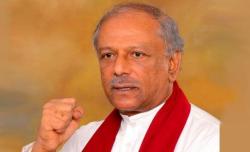
Morgan Tsvangirai
 Zimbabwe
- Early Life and Activism
- Founding the Zimbabwe Congress of Trade Unions
- National Constitutional Assembly and Movement for Democratic Change
- Electoral Challenges and Power-Sharing
- Arrests and Assassinations
- Personal Life
Early Life and Activism
Morgan Tsvangirai was born into a large family in Southern Rhodesia (present-day Zimbabwe) on March 10, 1952. At the age of 16, he dropped out of school and began working as a weaver in a textile factory.
In 1974, Tsvangirai moved to the Trojan nickel mine in Central Mashonaland, where he rose through the ranks from machine operator to senior foreman. It was here that he became involved in trade union activism.
Over time, Tsvangirai became the chairman of the Associated Mine Workers Union of Zimbabwe branch and was elected to the executive committee of the National Mine Workers Union. In 1988 (or 1989), he became Secretary-General of the Zimbabwe Congress of Trade Unions (ZCTU).
Founding the Zimbabwe Congress of Trade Unions
Under Tsvangirai's leadership, the ZCTU evolved from a pro-government organization into a formidable opposition force. In the 1990s, it organized mass protests against tax hikes and the deteriorating living standards of Zimbabweans.
National Constitutional Assembly and Movement for Democratic Change
In 1997, a broad alliance of democratic civic movements called the National Constitutional Assembly (NCA) was formed. Tsvangirai was elected its chairperson.
Two years later, opponents of President Robert Mugabe's regime united under the Movement for Democratic Change (MDC), led by Tsvangirai. He resigned from his positions in the ZCTU and NCA to focus on party politics.
Electoral Challenges and Power-Sharing
In 2000, the MDC's campaign helped defeat Mugabe's proposed new constitution in a national referendum. The party also performed well in the parliamentary elections, becoming the first viable opposition to Mugabe in Zimbabwe's independent history.
Tsvangirai ran for president twice. He lost to Mugabe in 2002. In the 2008 presidential elections, Tsvangirai received more votes than Mugabe in the first round. However, he withdrew from the runoff due to violence and intimidation.
In September 2008, Tsvangirai and Mugabe agreed to share power. After months of negotiations, Tsvangirai became Prime Minister of Zimbabwe in February 2009.
Arrests and Assassinations
Throughout his career, Tsvangirai has faced numerous arrests, imprisonments, and assassination attempts. He has received the prestigious "Solidar Silver Rose" human rights award.
Personal Life
Tsvangirai had six children. His wife, Susan, died in a car accident in March 2009.