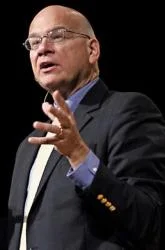
Myron Gagauz
- From the Railway to Its Leadership
- A Role in the Transport Ministry
- Parliament and a Return to Railways
- Scrutiny and Public Record
Miron Gagauz built his public career around Moldova’s railway system, moving from decades of railway work into the transport ministry and parliament. His time at the helm of the state railway brought both a prominent role in national transport policy and scrutiny over the company’s management.
From the Railway to Its Leadership
Born in 1954 in Tabaki, then part of the Bolgrad area of Ukraine, Gagauz entered the railway sector in 1972. He spent years working within the industry before becoming director of Moldova Railways, known locally as Calea Ferată din Moldova, in 2000. The state-owned operator placed him at the center of a network responsible for moving passengers and freight across Moldova and beyond.
His tenure coincided with difficult cross-border disruptions. Railway links with Ukraine were blocked at points, and passenger service between Chișinău and Moscow was suspended. Those challenges made the railway’s performance a matter of public and economic concern.
A Role in the Transport Ministry
In April 2005, Gagauz was appointed minister of transport and road management while continuing to lead Moldova Railways. The combination put him in an unusual position: he was responsible for national transport policy while also managing the country’s principal railway operator.
He remained minister until January 2007, when he was dismissed from the cabinet. He kept his post as railway director, a position he had held since 2000. His long service in the sector had made him a familiar figure in Moldova’s transport administration.
Parliament and a Return to Railways
Gagauz later entered electoral politics as a member of the Party of Communists. He served in parliament from 2011 to 2014 and sat on the committee dealing with human rights and interethnic relations. The shift from railway management to legislative work gave him a second platform in national public life.
After leaving parliament, he returned to Moldova Railways in 2015, initially in an engineering role and later as deputy director. His return drew attention because he had previously headed the company for much of the 2000s.
Scrutiny and Public Record
Gagauz’s earlier management of the railway also became the subject of a criminal investigation. Prosecutors examined contracts made between 2005 and 2008 to lease freight wagons to a private company, alleging that the arrangements caused public losses. The case concerned alleged negligence in office; reporting on the investigation said it did not proceed to trial. The allegations should therefore be understood as claims made during an investigation, not as a judicial finding of guilt.
Across decades in public service, Gagauz has been associated most closely with Moldova’s rail network: first as a career railway official, then as its director, a cabinet minister, a parliamentarian and, later, a deputy director.