Navid Afkari
 Iran
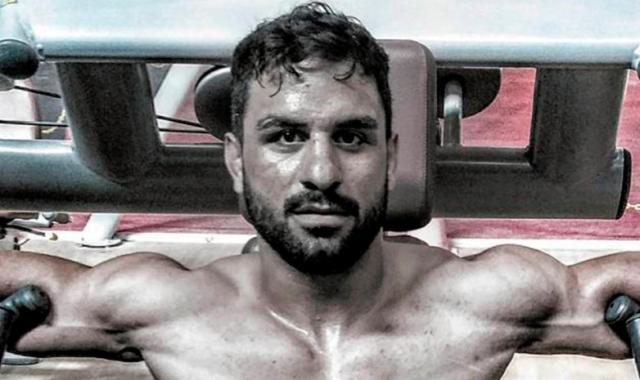
Navid Afkari was an Iranian Greco-Roman wrestler whose competitive record included national titles—and whose execution at 27 turned his name into a global symbol of a fiercely disputed criminal case. He was arrested after taking part in protests in Shiraz in 2018, convicted of murder and executed two years later. His supporters and human-rights organizations challenged the evidence and the fairness of the proceedings, saying that a confession used against him had been obtained through torture.
Wrestling and Early Life
Afkari was born on July 22, 1993, in Sepidan, in Iran’s Fars Province. He began Greco-Roman wrestling at about nine and continued training while working to support himself. Financial hardship interrupted his schooling after high school and at times forced him to step away from the sport. He worked as a plasterer and welder, alongside two of his brothers.
Despite those pressures, Afkari built an impressive domestic record. A case profile compiled by the Abdorrahman Boroumand Center records at least 11 podium finishes in provincial and national championships by 2018. He won Iran’s national youth championship in 2007, finished second in a youth championship in 2010 and won the adult national Greco-Roman title in 2016. Outside wrestling, he was interested in poetry, painting, calligraphy, hairdressing and tailoring.
Protests, Arrest and Conviction
In the summer of 2018, Afkari joined demonstrations in Shiraz over rising prices and unemployment. He was arrested on September 17, 2018, along with his brother Vahid. The criminal case against him concerned the killing of Hassan Torkaman, a security employee of the Fars Province Water and Sewage Administration, who was stabbed in Shiraz on August 2, 2018. Iranian authorities said Afkari was responsible and convicted him of murder; a court imposed the death penalty.
Afkari denied the charge and told the court that he had been tortured during interrogation and forced to confess. His defense also questioned the way evidence was handled and asked the court to hear witnesses. The case drew intense scrutiny from rights groups. Amnesty International said the proceedings were grossly unfair, citing allegations of torture, the use of forced confessions and denial of basic fair-trial protections. Human Rights Watch also called for an independent investigation into torture allegations and a fair retrial.
The proceedings included charges linked to the 2018 protests as well as the murder case. Afkari’s case became a focus of international concern not only because of his wrestling achievements, but because critics argued that the conviction rested on unreliable evidence and that his claims of torture had not been properly investigated. The Iranian authorities maintained that he had been lawfully convicted.
Execution and International Response
On September 12, 2020, Afkari was executed by hanging at Adelabad Prison in Shiraz. Amnesty International reported that his family and lawyer had not been given advance notice. The execution went ahead despite appeals for clemency from the International Olympic Committee, United World Wrestling and athletes from around the world. United World Wrestling said the news devastated the wrestling community.
Afkari’s brothers Vahid and Habib were also detained in connection with the wider cases and faced their own prosecutions. Their treatment became part of continuing international advocacy after Navid’s death. His family’s campaign, along with the recording of his pleas for a fair hearing, kept attention on the unresolved questions surrounding the case.
Legacy
Afkari’s athletic life was built through years of training alongside difficult manual work, and his championship results gave his story a public reach beyond Iran. After his execution, the central debate about his legacy became inseparable from the contested trial: Iranian authorities presented a murder conviction, while his family and international rights organizations maintained that torture allegations and serious procedural failures had undermined the verdict. His case remains a prominent example of the collision between sport, protest and state power.