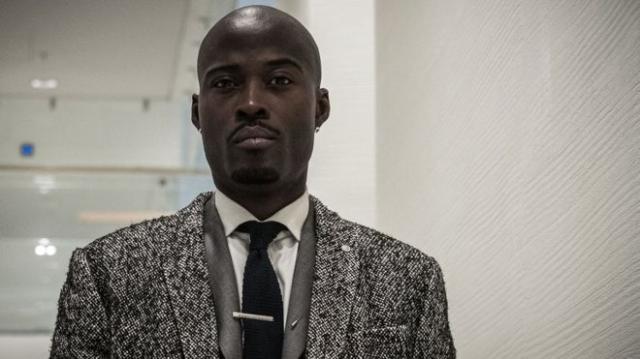
Nick Conrad
 France
Nick Conrad was little known outside a small audience until a provocative 2018 music video thrust him into France’s national debate about race, artistic expression, and the limits of speech. He has described his work as a way to confront discrimination by reversing familiar roles. The graphic imagery and violent language of one song, however, led to widespread condemnation and a criminal case.
Early life and musical interests
Conrad grew up in Noisy-le-Grand, east of Paris. He has spoken about developing an interest in music as a teenager, including jazz and the trumpet. His lyrics often address Black identity, racism, and social exclusion, delivered in a deliberately confrontational style.
Before his wider breakthrough, he released music independently, including the project Saphir noir in 2016 and the 2017 release Tempête subsaharienne. He had also appeared on television during a 2011 Telethon segment, where he performed a rap about sickle-cell disease.
Breakthrough and controversy
In September 2018, Conrad released the song and video Pendez les Blancs, translated as Hang the Whites. The clip depicted him committing graphic violence against a white man, while the lyrics used explicit calls for violence. After extracts spread online, the video prompted fierce criticism from politicians and commentators and was removed from major video platforms.
Conrad said he was using fiction to invert racial roles and make viewers consider the history and experience of anti-Black racism. Many viewers and public officials rejected that explanation, arguing that the imagery and lyrics went beyond provocation and could encourage real violence. The debate made him a national figure almost overnight.
The Paris criminal court convicted him in March 2019 of provocation to commit a crime and imposed a suspended fine of 5,000 euros. In September 2021, an appeals court overturned the conviction on procedural grounds.
Later work and public image
Conrad continued releasing music after the dispute. His 2019 album Révolution 2.0 included the track Doux pays, which again attracted attention for its sharply critical language about France. His public profile remains closely associated with the argument over whether his provocative work should be understood as political art, inflammatory speech, or both.
His career illustrates how quickly an independent musician can become part of a national conversation when a work spreads beyond its original audience. For Conrad, the tension between his stated aim of provoking reflection and the impact of his imagery continues to define how many listeners encounter his music.