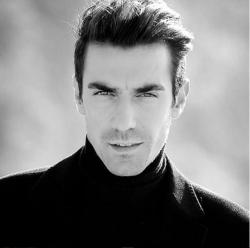
Nigel Bernard Hawthorne
 Great Britain
- Biography of Nigel Bernard Hawthorne
- Early Career
- The Breakthrough
- International Success
- The Later Years
- Legacy
Biography of Nigel Bernard Hawthorne
Nigel Bernard Hawthorne was born in 1929 in Coventry, England, to Agnes Rosemary and Charles Bernard Hawthorne. He spent his childhood in South Africa, where he faced both strict family upbringing and constant teasing and bullying from his peers. Nigel grew up as a shy and insecure child, but he found himself on stage. After performing in a play in Cape Town, he realized his passion for acting and decided to pursue it, despite his father's objections.
Early Career
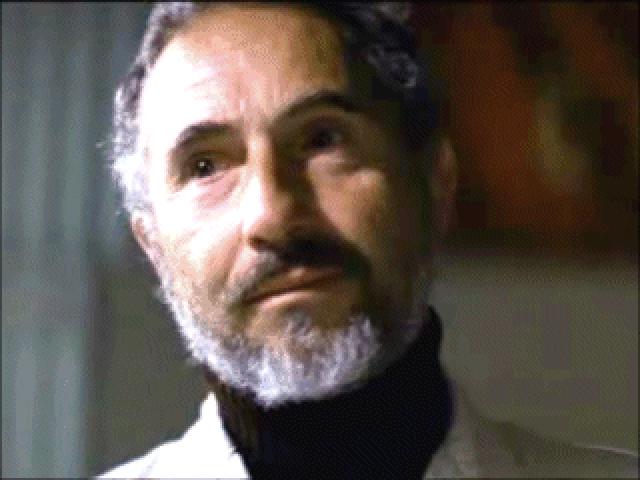
After completing his education at Christian Brothers College in Africa, Hawthorne moved to London with no money or clear plans for his future. However, his initial experience in England was disappointing, as he struggled to find acting roles. After a year, he returned to Africa and completed his studies at the University of Cape Town. However, the desire to be on stage continued to haunt him.
The Breakthrough
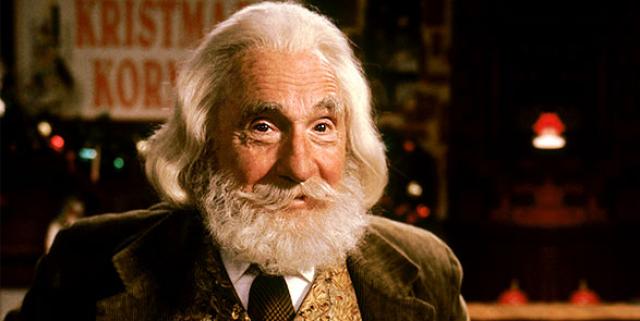
Hawthorne's breakthrough came when he was in his thirties, with his successful entry into the theater scene in England. He soon transitioned to television, appearing in series such as "Dad's Army," "Play for Today," and "The Desperate People." These early television roles brought him recognition and success. In the late 1970s, he received an invitation to play the lead role in the satirical political series "Yes Minister," which became a turning point in his career.

International Success
Hawthorne's portrayal of Sir Humphrey Appleby in "Yes Minister" earned him four British Academy Film and Television Arts (BAFTA) Awards, as well as widespread popularity and acclaim. Even Prime Minister Thatcher invited him for tea at her residence, and the series was broadcasted in 50 countries worldwide. From then on, Hawthorne's demand as an actor exceeded even his wildest dreams.
The Later Years
In the 1990s, Sir Nigel Hawthorne played numerous leading roles in films and television productions. Some notable works during this period include the comedy "Madeline," the drama "At Sachem Farm," the melodrama "The Winslow Boy," the political drama "The Big Brass Ring," and the comedy "The Clandestine Marriage." It is known that Hawthorne was homosexual, but he never publicly acknowledged his sexual orientation until the mid-1990s, when the British press and radio exposed it. Despite facing derogatory nicknames and comments, Hawthorne remained unaffected.
Legacy
Sir Nigel Hawthorne passed away on December 26, 2001, at the age of 72, after battling cancer for the last year and a half of his life. Although he died due to a heart attack, he left behind a legacy of remarkable performances and accomplishments. His talent and dedication to his craft earned him numerous awards and honors throughout his career, including an Oscar nomination for his role in "The Madness of King George." Hawthorne will always be remembered as a talented and respected actor who made a significant contribution to the world of film and theater.