Nikki Baker
 USA
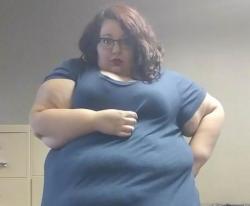
Nikki Baker is an Ohio-based plus-size model whose public story centers on rebuilding confidence after years of teasing about her size. A 2018 profile introduced her as a merchant adviser and described how a first modeling opportunity helped her see her body differently. She spoke about self-acceptance in direct terms: learning that other people’s judgments should not decide whether she valued herself.
Early Life and Turning Point
Baker said she had been teased about her weight by peers and people close to her. Although she remembered being confident as a young child, that confidence weakened during her teenage years. In the interview, she recalled that around age 19 she began to reconsider how much power she gave other people’s opinions. She gradually chose clothes that fit her, experimented with makeup, and became more comfortable being photographed.
Modeling and Body Confidence
In 2009, Baker answered a photographer’s search for a plus-size model. The shoot became her first significant modeling experience and, by her account, a turning point: she felt less self-conscious in front of the camera than she had often felt in everyday public settings. The experience gave her a way to present herself on her own terms and encouraged her to speak openly about body confidence.
Baker’s public message was that people should not have to hide their bodies to deserve respect. She described how strangers could stare or whisper when she wore revealing clothes, but questioned why her clothing should matter when her size was already visible. Her outlook grew from personal experience rather than a claim that the path to self-acceptance was effortless; she acknowledged that learning to love her body took time.
Public Image and Relationships
A 2018 feature also discussed Baker’s dating preferences and her relationship at the time with Brandon Noland. She said she tended to date slimmer men, explaining that she felt this made physical intimacy more comfortable for her. Noland said her self-confidence, hair, and fashion sense first caught his attention. The feature presented their relationship through a provocative headline, but Baker’s own broader emphasis was on confidence, attraction, and refusing to let other people dictate how she should feel about herself.
The available public reporting offers only a brief look at Baker’s life and work, and does not establish a detailed modeling résumé or later career milestones. What it does capture is the change she described: from absorbing other people’s ridicule to becoming visible in front of a camera and encouraging other women to see beauty in themselves without waiting for outside approval.