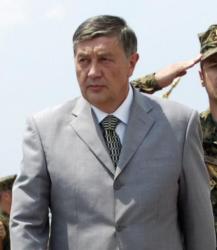
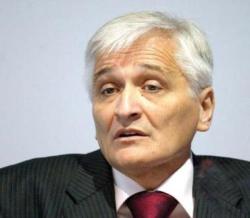
Nikola Spiric
 Bosnia and Herzegovina
- Biography of Nikola Spiric
- Education and Early Career
- Political Career
- Political Priorities
- Resignation and Crisis
Biography of Nikola Spiric
Nikola Spiric is a Bosnian politician who was born on September 4, 1956, in the city of Drvar, in western Bosnia and Herzegovina. He began his political career in 1990 when he was elected as a member of the House of Representatives of the Parliamentary Assembly of Bosnia and Herzegovina. Spiric belongs to the party "Alliance of Independent Social Democrats", which represents the Serbian population.

Education and Early Career
Spiric attended primary school in Drvar and then completed his secondary education in Sarajevo. He went on to study at the Faculty of Economics at the University of Sarajevo, where he graduated in 1980 with a bachelor's degree in economics. Later, Spiric defended his doctoral dissertation on the topic of "Monetary Lending and the National Budget", earning a doctorate in economics.
After graduating from the University of Sarajevo, Spiric conducted research at the Faculty of Economics for twelve years. In 1992, he became a professor of economics and began lecturing at the University of Banja Luka.
Political Career
Spiric's political career started in 1990 when he was elected as a member of the House of Representatives of the Parliamentary Assembly of Bosnia and Herzegovina. He represented the "Alliance of Independent Social Democrats", which advocated for the Serbian population. In 2000, Spiric was appointed as the Minister for Human Rights and Refugees in the central government of Bosnia and Herzegovina.
After the parliamentary elections in October 2002, Spiric became the Chairman of the House of Peoples of the Parliamentary Assembly of Bosnia and Herzegovina. In August 2003, he became the Chairman of the House of Representatives. He held this position until April 2004. In August 2005, Nikola Spiric once again became the Chairman of the House of Representatives.
Following the parliamentary elections in October 2006, Spiric was appointed as the Prime Minister of Bosnia and Herzegovina after extensive negotiations between the winning parties. On January 4, 2007, a decree was issued appointing Nikola Spiric as the Prime Minister. The Cabinet of Ministers was formed, representing the three ethnic groups of the Balkan nation - Bosniaks, Serbs, and Croats.
Political Priorities
As Prime Minister, Nikola Spiric's main goals were constitutional reform, stimulating foreign investments, stabilizing and signing bilateral agreements with the European Union, and coordinating the terms for NATO accession. He emphasized that the security and stability of Bosnia and Herzegovina and its citizens were his top priorities.
Resignation and Crisis
On November 1, 2007, Nikola Spiric resigned due to disagreement with the parliamentary reform conditions introduced by the international High Representative, Miroslav Lajcak. Spiric believed that this reform would pose a threat to the existence of the Serbian population within Bosnia and Herzegovina. His resignation was considered the most serious crisis moment since the end of the Bosnian War in 1995 and the signing of the Dayton Agreement.
After extensive negotiations, Nikola Spiric agreed to remain as Prime Minister until the next parliamentary elections.