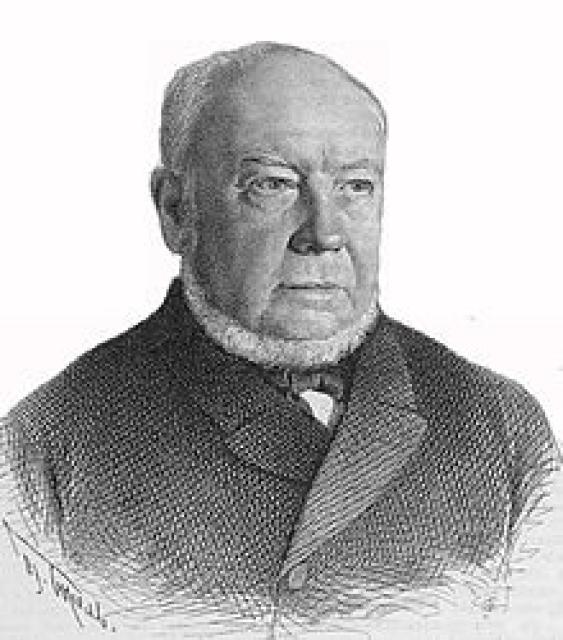
Nikolaj Stoianovskij
 Russia
- Nikolai Stoyanovsky: A Pioneering Jurist in Tsarist Russia
- Contributions to Judicial Reforms
- The Great Reforms of 1864
- Post-Reform Era
- Legacy and Impact
- Key Contributions:
- Drafted the fundamental principles of the 1864 Judicial Statutes
Nikolai Stoyanovsky: A Pioneering Jurist in Tsarist Russia
Early Life and CareerNikolai Ivanovich Stoyanovsky was born in 1820 in Mogilev, Ukraine, to a family of nobility. After graduating from the School of Law, he entered the service of the Senate in St. Petersburg, where he honed his legal skills.
Contributions to Judicial Reforms
In the mid-1800s, Stoyanovsky became a key figure in the reform of the Russian judicial system. As a member of the Commission on County and Provincial Institutions, he drafted the "Institution of Judicial Investigators" and the "Instructions to Investigators." These reforms separated the investigative function from the police, laying the foundation for an independent judiciary.
The Great Reforms of 1864
During Tsar Alexander II's reign, Stoyanovsky played a pivotal role in the implementation of the Great Reforms. As Deputy Minister of Justice from 1862, he provided leadership and guidance for the transition to a modern, fair, and accessible judicial system. He was instrumental in drafting the fundamental principles of the 1864 Judicial Statutes and ensured their implementation across the vast Russian Empire.
Post-Reform Era
Following his tenure at the Ministry of Justice, Stoyanovsky continued to contribute to the legal and social development of Russia. He served as Senator of the Criminal Cassation Department and a member of the State Council. He also chaired the editorial commission for drafting the Civil Code and played a prominent role in various philanthropic and educational organizations.
Legacy and Impact
Stoyanovsky's legacy as a judicial reformer is profound and enduring. He was a visionary who recognized the importance of a fair and independent judiciary for the rule of law and the protection of individual rights. Through his tireless efforts, he left an indelible mark on the Russian legal system, shaping its character and principles for decades to come.
Key Contributions:
Drafted "Institution of Judicial Investigators" and "Instructions to Investigators"
Drafted the fundamental principles of the 1864 Judicial Statutes
Provided leadership for the implementation of judicial reformsChaired the Civil Code editorial commission
Active member of various philanthropic and educational organizations





