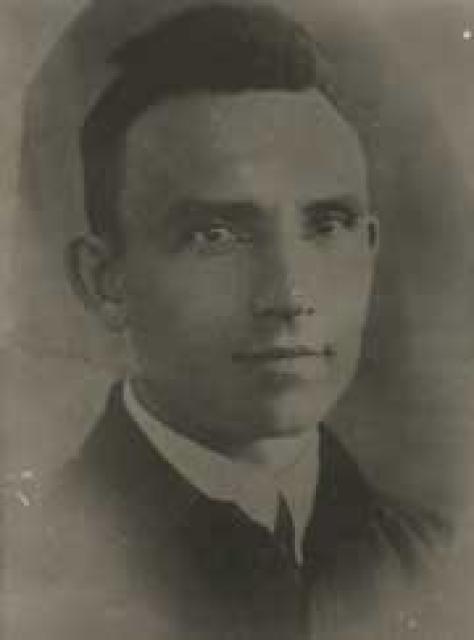
Nikolay Barakov
 Ukraine
Biography of Nikolai Barakov
Nikolai Petrovich Barakov was born on October 11, 1905, in the village of Novaya Aleksandria, Lublin County (now the Polish People's Republic), in a family of a professor and teacher at the Novoalexandria Institute of Agriculture and Forestry. His parents instilled in him high moral qualities such as love for knowledge, books, and respect for work.
In 1915, the Barakov family moved to the city of Kharkov. At the age of 15, after losing his father, Nikolai Petrovich started working at the experimental farm of the Kharkov Agricultural Institute, where his father conducted research during his lifetime. He labored in the fields, orchards, and experimental plots, taking care of the livestock.
In September 1922, he enrolled in a workers' faculty and diligently acquired knowledge while actively participating in public work. During the year of Lenin's death, Barakov, recognized as one of the best students, was accepted into the Komsomol.
After completing his studies, Barakov worked in a cooperative farm and, from 1926, on the mines of the Bokovsky Ore Administration in the Lugansk district. In May 1928, the party organization of the mine admitted him to the ranks of the Communist Party. In 1929, Nikolai Petrovich entered the Dnipropetrovsk Mining Institute and, after graduation, worked at various mines in the Donbass region.
In 1937, Nikolai Petrovich Barakov moved to the city of Krasnodon. Known as a knowledgeable and experienced engineer, he was appointed as the chief mechanic of the F. Engels Mine. He stood out for his exceptional diligence, perseverance, and excellent understanding of production. He was a sensitive and responsive comrade, which earned him respect and authority.
Nikolai Petrovich Barakov was also a participant in battles against the White Finns. From the early days of the Great Patriotic War, he served on the front lines. In the spring of 1942, he was withdrawn from the ranks of the Red Army as a specialist in the coal industry. On the orders of the Krasnodon District Committee of the Party, he was tasked with evacuating industrial equipment and subsequently remained for underground work in the enemy rear.
During the first weeks of the fascist occupation, Barakov was in an illegal position. He appeared in the city only on August 5. Recognizing him as an experienced specialist, the occupation authorities appointed him as the head of the Central Electromechanical Workshops of Directorate No. 10, where Philipp Petrovich Lutykov worked as the technical director. Barakov and Lutykov used their official positions to strengthen the underground organization, recommending their comrades for work at the workshops.
Risking their lives, the workshop leaders, directly responsible for the restoration of the mines, did everything to prevent the occupiers from receiving a single ton of coal. When Mine No. 1 "Sorokino" was ready for operation, Young Guard member Yuri Vitsenovsky, following Barakov's orders, tampered with the hoisting rope, causing an accident.
Under Barakov's orders, the restored water pump was disabled, the heating system in the gendarmerie and directorate was frequently disrupted, and the power plant was shut down. Barakov's apartment became a meeting place for communists and members of the Young Guard. They installed a makeshift radio receiver in his house to listen to Soviet Information Bureau reports, and the storage room and shed temporarily stored weapons that were later transferred to a secret storage. Underground fighters frequently held meetings in the attic, where they discussed combat activities and planned operations. At the end of December, they detailed the plan for an armed uprising.
In the first days of January 1943, arrests began. Maintaining calm and composure, Barakov continued to fulfill his official duties. Accidents continued to occur at the workshops.
On the morning of January 6, Nikolai Petrovich was arrested. In the fascist prison, he showed immense courage and resilience. Along with other communists and members of the Young Guard, he was thrown into the shaft of Mine No. 5. He was buried in a mass grave of heroes in the center of Krasnodon.
By the order of the Presidium of the Supreme Soviet of the USSR on May 10, 1965, Nikolai Petrovich Barakov was posthumously awarded the Order of Lenin.


