Nikolay Halesin
 Belarus
- Biography of Nikolai Khalezin
- Founding the Free Theatre
- The Rise of Belarusian Playwrights
- Challenges and Taboos
- Collaboration with Oleg Menshikov and the Moscow Art Theatre
- Creating a Cultural Context
- The First Playwriting Competition in Belarus
- Collaboration with Tom Stoppard
- Support and Resistance
- Cultural Opposition and Freedom of Creativity
- Enriching Russian Theater
Biography of Nikolai Khalezin
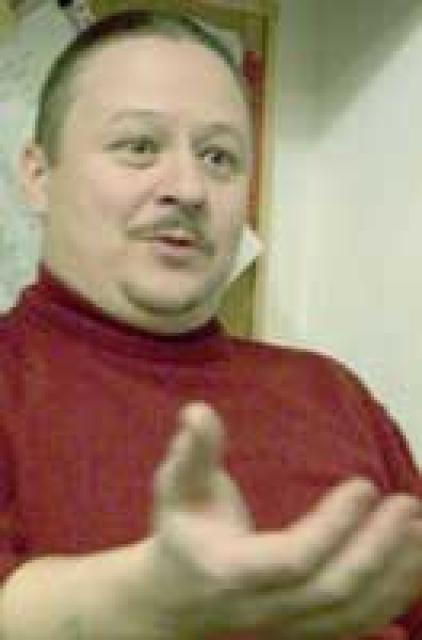
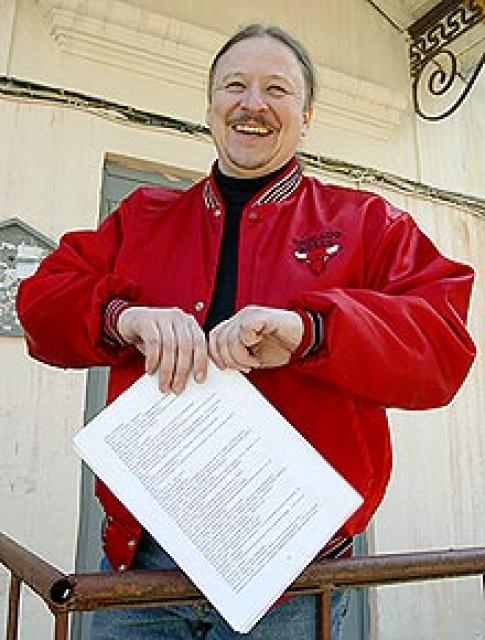
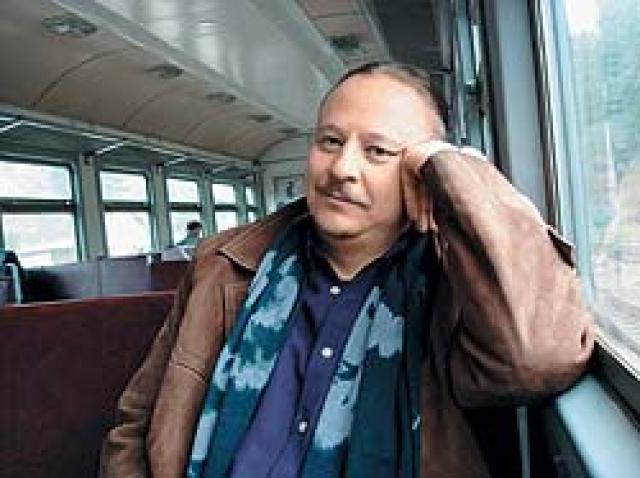
Nikolai Khalezin is a renowned Belarusian playwright and journalist, and the leader of the Belarusian "Free Theatre". He is known for his work in promoting contemporary plays and creating a platform for independent theater in Belarus. Khalezin was born and raised in Minsk, Belarus, and has been involved in the arts scene since his early years.
Founding the Free Theatre
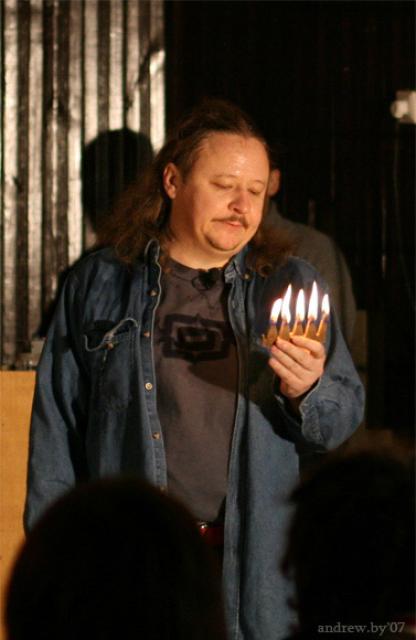
In the late 1990s, Khalezin founded the "Free Theatre" in Minsk, a modern theater dedicated to performing contemporary plays. The theater faced challenges as it operated independently without any government support. However, Khalezin believed in the power of theater to make a difference and pursued his vision despite the obstacles.
The Rise of Belarusian Playwrights
Khalezin has been a key figure in the emergence of a new generation of young playwrights in Belarus. He believes that the country's limited artistic outlets, such as the absence of a strong film industry and limited opportunities in literature, have driven young talents to express themselves through theater. The proximity to Russia's theater market and the increasing interest from Europe have also contributed to the rise of Belarusian playwrights.
Challenges and Taboos
In Belarus, there are numerous taboos and sensitive topics that are not commonly discussed or written about. Khalezin believes that until these topics find their way onto the stage, there will be no dominant themes or tendencies in Belarusian theater. The limited opportunities for playwrights in state-funded theaters further restrict their artistic expression.
Collaboration with Oleg Menshikov and the Moscow Art Theatre
Khalezin's play "I Came" faced challenges in being staged by renowned Russian actor Oleg Menshikov and the Moscow Art Theatre. Menshikov's busy schedule and subsequent involvement in other film projects prevented the realization of the play. The rights to the play were later acquired by Oleg Tabakov, but the production faced difficulties due to the casting choices and disagreements among directors.
Creating a Cultural Context
Khalezin realized the importance of creating a cultural context for contemporary Belarusian plays. Together with his team, he organized alternative education programs, established a modern playwriting competition, and actively staged productions. They also facilitated the participation of Belarusian playwrights and directors in international events and collaborations to foster connections with the European theater community.
The First Playwriting Competition in Belarus
Khalezin organized the first playwriting competition in Belarus that had a significant impact. Unlike previous competitions organized by the Ministry of Culture, this competition was transparent and involved an international jury. The competition aimed to encourage and recognize the work of contemporary playwrights in Belarus.
Collaboration with Tom Stoppard
Khalezin's wife, Natasha, wrote a letter to renowned playwright Tom Stoppard, who agreed to become a patron of their playwriting competition. Stoppard later visited Minsk and expressed interest in experiencing the atmosphere depicted in his play "Rock'n'roll," which explored life in Czechoslovakia during the communist regime. Stoppard expressed a desire to attend the premiere of their play "Generation Jeans," which focuses on the lives of young people in Belarus.
Support and Resistance
The Free Theatre faced resistance from the government and the official theater community in Belarus. Pressure was exerted on theater venues and individuals involved in supporting the Free Theatre. Despite these challenges, Khalezin and his team received support from audiences, independent journalists, and friends who offered their apartments for performances. They also felt solidarity from their Latvian, Lithuanian, and Russian colleagues in the theater community.
Cultural Opposition and Freedom of Creativity
Khalezin believes that the Free Theatre became a cultural opposition when it chose to pursue artistic endeavors independently, defying the government's control. However, he emphasizes that their work is not driven by political ideas but rather by the pursuit of artistic freedom and the promotion of moral values in theater.
Enriching Russian Theater
Khalezin believes that the Belarusian experience of uniting contemporary plays could enrich the Russian theater scene. By integrating actors, directors, critics, musicians, artists, and writers into the context of contemporary theater, he hopes to bridge the gaps and create a space for collaboration between artists who may have different perspectives or backgrounds.