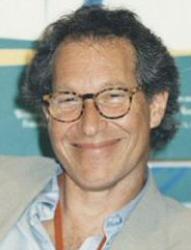
Konrad (Conny) Plank
 Germany
- Legendary Producer and Audio Engineer
- Pioneering Studio Techniques
- Impact on Progressive Music
- International Renown
- Versatile Collaborations
- Enduring Legacy
Legendary Producer and Audio Engineer
Early Life and CareerKonrad "Conny" Plank was a renowned music producer and recording engineer whose innovative work left an indelible mark on late 20th-century music. Born in Cologne, Germany, in 1940, Plank began his musical journey as a sound engineer for Marlene Dietrich.
Pioneering Studio Techniques
In the 1970s, Plank established the legendary Conny Plank Studio in Cologne, where he revolutionized recording techniques. He was among the first European producers to fully exploit the artistic possibilities of multi-channel recording. His distinctive approach, characterized by raw and unconventional sounds, challenged the polished, overproduced styles prevailing at the time.
Impact on Progressive Music
Plank's groundbreaking work heavily influenced the development of progressive music, avant-garde, and electronic music. He produced and engineered albums for iconic German bands such as Kraftwerk, Neu!, Cluster, Harmonia, and Ash Ra Tempel. His collaborations with Holger Czukay of Can and Guru Guru pushed the boundaries of experimental music.
International Renown
Plank's reputation extended beyond Germany, influencing British and American musicians and producers. His work with David Bowie and Brian Eno on the "Berlin Trilogy" (Low, Heroes, Lodger) is highly acclaimed. His composition "Hero," created with Neu!, inspired John Lydon (Johnny Rotten) to form Public Image Limited.
Versatile Collaborations
Throughout his career, Plank collaborated with diverse artists, including Dieter Moebius, Echo and the Bunnymen, Einstürzende Neubauten, Eurythmics, and Nina Hagen. His open-mindedness led him to explore a wide range of genres, from electro-pop to heavy rock.
Enduring Legacy
Conny Plank passed away from cancer in 1987, but his influence continues to be felt. His Conny Plank Studio remains a testament to his innovative spirit. His widow, Christa Fast, and son managed the studio until 2006, after which it was sold. Plank's legacy lives on through the countless musicians and engineers he inspired and mentored.