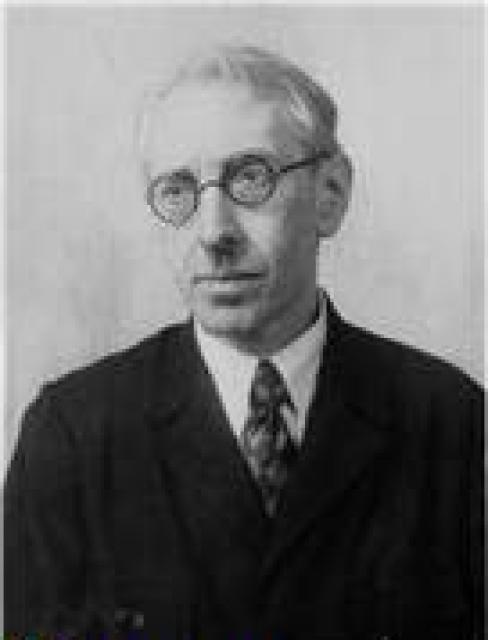
Nikolay Iordansky
- Nikolai Ivanovich Iordansky (1864-1939)
- Educational Innovator
- Activist for Educational Reform
- Educational Theorist
- Advocate for Student Involvement
- Legacy
Nikolai Ivanovich Iordansky (1864-1939)
Early Life and EducationNikolai Ivanovich Iordansky was born in 1864. After graduating from the Kazan Theological Academy in 1887, he dedicated himself to education, working as a teacher in schools in Nizhny Novgorod.
Educational Innovator
In 1905, Iordansky made history by establishing Russia's first publicly accessible children's library. In 1911, he was appointed inspector of public schools in Livonia, where he championed the creation of schools that taught in Latvian.
Activist for Educational Reform
In 1914, Iordansky moved to Moscow, becoming a key organizer of the All-Russian Teachers' Congress and the All-Russian Teachers' Union. From 1917 to 1922, he held various leadership positions within the Russian educational system, including as head of the Main Directorate of Social Education of the People's Commissariat of Education of the Russian Soviet Federative Socialist Republic (1921-1922).
Educational Theorist
After his administrative service, Iordansky transitioned to scholarly research. His books focused on the organization and management of schools in modern society. He viewed schools as autonomous entities, emphasizing the importance of administrative and financial management, as well as the self-governance of teachers and students.
Advocate for Student Involvement
In the Soviet context, Iordansky promoted the establishment of school cooperatives as a way to introduce children to productive labor and social relationships. He believed that such cooperatives would foster a sense of community and encourage civic participation.
Legacy
Nikolai Ivanovich Iordansky's contributions to Russian education were significant. His emphasis on school autonomy, community involvement, and student self-governance left a lasting impact on the educational landscape of his time. His ideas continue to inspire educators and policymakers today.


