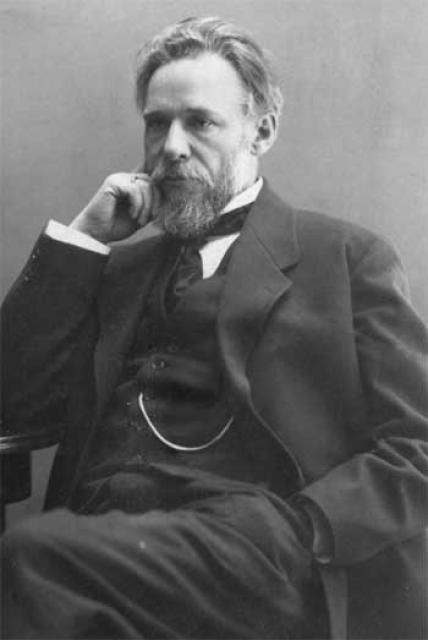
Nikolay Kishkin
- Nicholas Ivanovich Kishkin: A Life of Liberalism and Social Activism
- Early Life and Education
- Liberal Activism
- Provisional Government
- Minister of State Care
- Revolutionary Crisis
- Post-Revolutionary Years
Nicholas Ivanovich Kishkin: A Life of Liberalism and Social Activism
Nicholas Ivanovich Kishkin (1864-1930) was a prominent Russian liberal politician, physician, and social activist who played a significant role in the Constitutional Democratic Party (Party of People's Freedom) and the Provisional Government of 1917.
Early Life and Education
Kishkin was born in 1864 into a noble family in Rostov Veliky, Russia. He later graduated from the medical faculty of Moscow University and became a physiotherapist. He was the co-owner and director of a clinic in Moscow before founding a sanatorium.
Liberal Activism
Kishkin became involved in liberal politics early on. He was a member of the "Union of Liberation" and joined the Central Committee of the Constitutional Democratic Party in 1905. He became one of the leading members of the party's left wing and was elected as a member of the Moscow City Duma.
Provisional Government
During the February Revolution of 1917, Kishkin played a key role in establishing the executive committee elected by the Committee of Public Organizations of Moscow. In March 1917, he became the Commissioner of the Provisional Government in Moscow, overseeing the preparation for municipal elections.
Kishkin was a strong advocate for a coalition government with moderate socialist parties. He negotiated with representatives of the business and industrial community regarding their participation in a new Provisional Government after the failed August 1917 uprising led by General Kornilov.
Minister of State Care
From September 25, 1917, Kishkin served as the Minister of State Care (Social Welfare) in the last composition of the Provisional Government. Due to the German advance and political instability, he was tasked with preparing the evacuation of Petrograd and the relocation of the government to Moscow. However, the government was unable to implement this plan.
Revolutionary Crisis
On October 25 (November 7), 1917, Kishkin was granted military and civilian authority in Petrograd to restore order after the outbreak of the Bolshevik Revolution. He attempted to organize resistance against the Bolsheviks but was unsuccessful due to the small number of troops supporting the government. He was arrested along with other ministers after the capture of the Winter Palace and imprisoned in the Peter and Paul Fortress.
Post-Revolutionary Years
Kishkin was released from prison in the spring of 1918 and resumed his medical practice. In 1919, he was arrested for anti-Bolshevik activities but was later released. In 1921, he founded the All-Russian Committee for Aid to the Starving (VK Pomgol), which was negatively viewed by the Bolshevik authorities.
Kishkin was repeatedly arrested and exiled. Despite being granted a pension, it was later revoked in the late 1920s, and he was also deprived of food rations. He continued to work in the health care sector until his death in 1930.