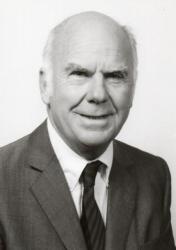
Nikolay Klado
 Russia
- Nikolai Lavrentievich Klado: Russian Naval Theorist and Historian
- Naval Command and Education
- Contributions to Naval Education
- Russo-Japanese War and Criticism
- Return and Academic Publications
- Theoretical and Historical Contributions
- "Naval Tactics" (1897)
Nikolai Lavrentievich Klado: Russian Naval Theorist and Historian
Early Life and CareerNikolai Lavrentievich Klado was born in 1862. He graduated from the Naval School in 1881 and entered military service in 1879. From 1886, he served as an educator and mathematics professor at the Naval School.
Naval Command and Education
In 1889-1892, Klado served as senior flag officer of the chief of the Pacific Ocean squadron. After returning to the Naval School, he taught naval history, tactics, and from 1895, the history of naval warfare. In 1896, he was sent to France to study military education. Upon his return, he lectured on naval history at the Naval Academy, General Staff Academy, and officer schools.
Contributions to Naval Education
Klado made significant contributions to naval education. He led practical training for artillery students in the Baltic Fleet in 1898. From 1902-1904, he lectured on naval warfare to the then heir to the throne, Grand Duke Mikhail Alexandrovich. As a senior officer on the training ship "Berezan" in 1903, he participated in naval expeditions in the Black Sea.
Russo-Japanese War and Criticism
During the Russo-Japanese War (1904-1905), Klado served as head of the naval department of the 1st Pacific Ocean Squadron. He helped develop a plan for naval operations involving Vladivostok cruisers. After returning to St. Petersburg, he prepared the 2nd Pacific Ocean Squadron for deployment to the Far East and took part in its voyage. Klado's outspoken criticism of the Navy Ministry's preparedness and conduct of the war led to his resignation in 1905.
Return and Academic Publications
Klado was reinstated to the navy in 1910 as a professor. He lectured at the Naval and Engineering Academies and headed the naval history department of the "Military Encyclopedia." He authored numerous articles in the "History of the Russian Army and Navy" (1911-1913). Klado also participated in World War I and served as head of the Naval Academy from 1917-1919.
Theoretical and Historical Contributions
Klado's intellectual contributions spanned the organization, tactics, and strategy of steam-powered navies, as well as the theory and history of naval warfare. His notable works include:
"Naval Tactics" (1897)
"Notes on Naval History" (1898-1899)"Organization of Naval Power" (1900-1901)
"History of Naval Warfare" (1901)
"Principles of Modern Naval Affairs" (1901)
"Modern Naval Artillery" (1903)
"Modern Naval Warfare" (1905)
"Introduction to the History of Naval Warfare" (1910)
Historical Significance
Klado played a pivotal role as one of the historiographers of the Russian Navy in the late 19th and early 20th centuries. He pioneered the establishment of a course in the history of naval warfare within the naval education curriculum.