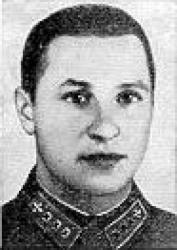
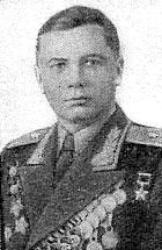
Nikolay Zub
 Ukraine
- Biography of Nikolai Zub
- Great Patriotic War
- Tactics and Contributions
- Contributions to Aerial Warfare
- Commander of the 210th Assault Aviation Regiment
- Death and Legacy
Biography of Nikolai Zub
Early Life and Military CareerNikolai Antonovich Zub was born in 1911 in the village of Pokrovka in present-day Vasilyevsky District, Nikolaev Oblast, into a peasant family. He completed 7 grades of school and a vocational school. In 1933, he enlisted in the Red Army and graduated from the Stalingrad Military Aviation School for Pilots in 1935. Zub participated in the Soviet-Finnish War from 1939 to 1940 and also fought as a volunteer in China and Spain from 1937 to 1939.
Great Patriotic War
When the Great Patriotic War began, Zub served as the deputy commander of the 4th Assault Aviation Regiment. Mastering the IL-2 aircraft, he proved himself to be a skilled fighter pilot and an excellent organizer. He excelled in attacking enemy airfields, and his name began to appear frequently in central newspapers. In the spring of 1942, "Red Star" published an article that mentioned Major N.A. Zub leading a successful attack on an enemy airfield, destroying multiple enemy aircraft.
Tactics and Contributions
Zub was known for his practical approach to aerial combat, focusing on achieving maximum results with minimal means. He opposed complex formations and maneuvers, preferring to lead his group with a clear plan. This allowed him to surprise the enemy and quickly regroup after an attack. He shared his combat experience by writing articles for central newspapers, which were later published in a series of books called "The Aviator's Library."
Contributions to Aerial Warfare
In the summer of 1942, Zub was called to Moscow to participate in the development of a training manual for assault aviation. His suggestions on combat tactics were later adopted as official procedures. He also showcased his skills during flight demonstrations for military missions from the United Kingdom and the United States. The IL-2 aircraft, which was initially considered an anti-tank aircraft, lacked effective means of penetrating tank armor. Zub, however, was one of the few pilots who could accurately aim and launch rockets, and his expertise played a significant role in improving the IL-2's effectiveness against armored targets.
Commander of the 210th Assault Aviation Regiment
In the summer of 1942, Zub was appointed as the commander of the 210th Assault Aviation Regiment in the 230th Division. The regiment had suffered heavy losses and was rendered ineffective before Zub's arrival. Under his leadership, the regiment was reformed and successfully operated in the Northern Caucasus and the Taman Peninsula. Zub personally carried out 120 successful combat sorties, shooting down two enemy aircraft in aerial combat and destroying nine enemy aircraft on the ground.
Death and Legacy
On July 22, 1943, Nikolai Antonovich Zub was killed in action near the village of Moldavanskoye in the Krasnodar Krai. Leading a massive assault on the "Blue Line," Zub's group of around 100 aircraft faced heavy anti-aircraft fire. Despite his attempts to evade the enemy's pre-aimed fire, Zub's aircraft was hit, causing it to crash. For his courage and military valor displayed in battle, Zub was posthumously awarded the title of Hero of the Soviet Union on April 13, 1944. He was also awarded the Orders of Lenin (twice), the Red Banner, the Patriotic War 1st Class, the Red Star, and the Medal "For Courage." Zub is buried in Slutske, Minsk Oblast. His combat experience and contributions to aerial warfare continue to be remembered by many assault aviators.