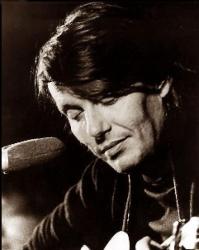
Nusrat Fateh Ali Khan
 Pakistan
- Early Life and Musical Roots
- Early Success and Traditionalism
- International Recognition and Experimentation
- Guinness World Record and Legacy
- Personal Life and Family
Early Life and Musical Roots
Born in Faisalabad, Pakistan, on January 13, 1948, Nusrat Fateh Ali Khan was the fifth child and first son of renowned Qawwali musician Fateh Ali Khan. Despite his father's initial reluctance, Nusrat's musical talent became undeniable, and with his uncle's support, he began his formal training.
Early Success and Traditionalism
At the tender age of 16, Khan made his public debut. In 1971, with the passing of his father, he became the patriarch of a large family, including four older sisters and a younger brother. Following in his father's footsteps, Khan became a leading exponent of traditional Qawwali, a devotional music of Sufi poetry. His rendition of "Haq Ali Ali" catapulted him to national fame.
International Recognition and Experimentation
Khan's relentless work ethic and prolific recording output caught the attention of international audiences. His album "Mustt Mustt" in 1990 paved the way for numerous releases in Europe and America. Collaborations with renowned artists like Eddie Vedder, Tim Robbins, and Massive Attack further solidified his reputation as a musical innovator. Khan's exploration of contemporary influences, however, alienated some traditionalists in Pakistan.
Guinness World Record and Legacy
In 2001, Khan was officially recognized by the Guinness Book of World Records as the most recorded Qawwali artist, with over 125 albums to his credit. His last studio album, "Nusrat Fateh Ali Khan: The Final Studio Recordings," was released posthumously. Despite his untimely demise on August 16, 1997, at the age of 48, Khan's legacy continues to inspire music lovers worldwide.
Personal Life and Family
Khan was married to his cousin, Naheed, and had a daughter named Nida. His family has played a significant role in preserving his musical heritage through the Nusrat Fateh Ali Khan Foundation.