Otzi
- Ötzi the Iceman: The World's Oldest Preserved Human Mummy
- Death by Arrow
- Life as a Warrior or Hunter
- Diet, Health, and Tattoos
- Injuries and Wounds
- Clothing and Equipment
- Curse of the Iceman
- Legacy: The Iceman Project
Ötzi the Iceman: The World's Oldest Preserved Human Mummy
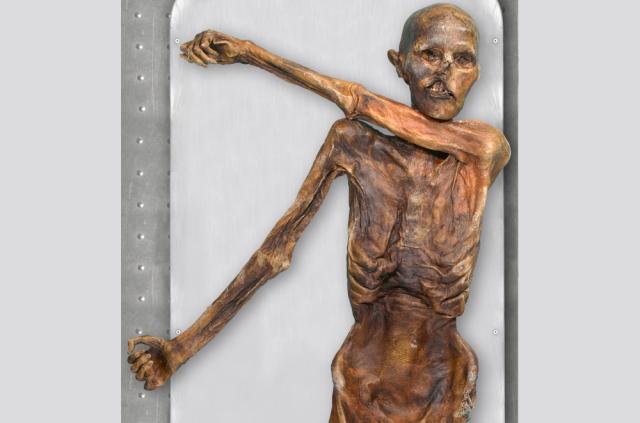
Ötzi the Iceman is the oldest preserved human mummy discovered in Europe, dating back approximately 5,300 years. Found in the Alps mountains, his remarkably preserved remains have provided unprecedented insights into the life and death of a Stone Age hunter.
Death by Arrow
Examination of Ötzi's body revealed a fatal arrow wound in his left shoulder. Blood cells and fibrin clots found on the arrow suggest that he died from acute blood loss within minutes of being shot. This discovery definitively disproves theories that he survived the wound for several hours or days.
Life as a Warrior or Hunter
Ötzi, also known as Ötzi, Otzi, the Similaun Man, and Tyrolean Iceman, was believed to be a warrior or hunter who lived between 3105 and 3359 BCE. He was approximately 45-46 years old at the time of his death, a relatively old age for a Neolithic man.
Diet, Health, and Tattoos
Further examination of Ötzi's body revealed details about his diet, health, and body art. He consumed a variety of plant and animal foods, including berries, roots, and game. Analysis of his DNA indicates that he suffered from Lyme disease, lactose intolerance, and had a genetic predisposition to cardiovascular disease. Ötzi's body is covered in over 57 tattoos, thought to have been used for pain relief or therapeutic purposes.
Injuries and Wounds
Ötzi exhibits various injuries and wounds, including bruises, cuts, a healed rib fracture, and a broken nose. The broken arrow shaft embedded in his shoulder suggests that he may have rolled over in an attempt to remove the arrow. The impact of the arrow was so severe that he was unable to extract it himself.
Clothing and Equipment
Ötzi was dressed in a sophisticated array of clothing made from animal hides and plant materials. He carried a copper ax with a yew handle, a flint knife with an ash handle, and a quiver containing fourteen arrows.
Curse of the Iceman
After the discovery and examination of Ötzi, several of the individuals involved died prematurely. This led to rumors of a "curse of the Iceman." However, there have been no scientific investigations to support this claim.
Legacy: The Iceman Project
Ötzi's remarkably well-preserved body remains a valuable source of scientific research and has led to the creation of the Iceman Project. This ongoing project involves interdisciplinary research teams studying Ötzi's DNA, diet, injuries, and more, providing invaluable insights into the lives of our Stone Age ancestors.


