Peter Hujar
 USA
- Finding a life in photography
- Portraits in life and death
- Downtown New York and the AIDS crisis
- A growing legacy
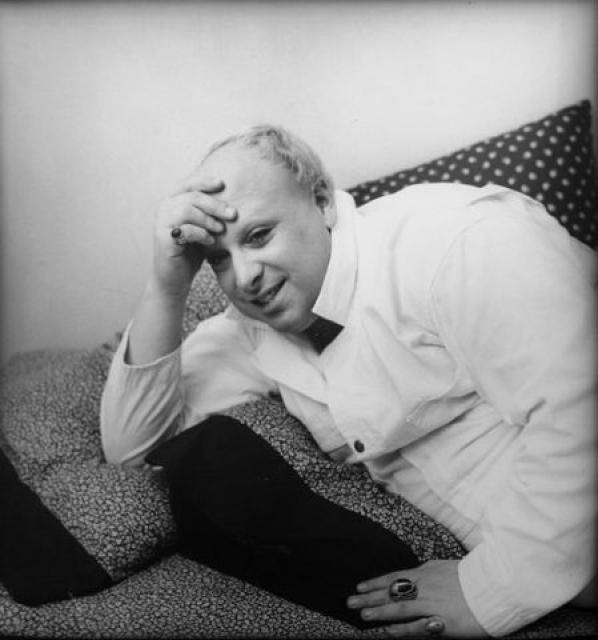
Peter Hujar made some of the most intimate portraits of downtown New York’s artists, writers, performers and queer communities in the 1970s and 1980s. His black-and-white photographs are quiet but unsparing: a face, a body or a familiar city space is given room to hold both vulnerability and strength. He worked far from the commercial spotlight, and his reputation grew most dramatically after his death during the AIDS crisis.
Finding a life in photography
Hujar was born in Trenton, New Jersey, on October 11, 1934, and was raised for part of his childhood by his Ukrainian immigrant grandparents. As a teenager, he moved to Manhattan to live with his mother and became interested in photography. After graduating from the School of Industrial Art in 1953, he began as an assistant in commercial studios, learning the technical craft of the darkroom and the discipline of fashion shoots.
The work paid the bills, but Hujar wanted control over what he photographed. He spent years in commercial photography, including assignments for fashion magazines, while developing his own pictures after hours. A master class led by Richard Avedon and art director Marvin Israel in 1967 gave him encouragement to move toward personal work. By the end of the decade, he was committing more of his time to portraits and images drawn from his own life in New York.
Portraits in life and death
Hujar’s photographs were carefully composed without feeling staged. He often photographed people in his studio or home, asking them to sit or lie still and letting their expressions carry the moment. His subjects included poets, artists, writers, drag performers and figures from the city’s emerging queer scene. The photographs do not turn them into types; they attend to the individual presence in front of the camera.
A 1963 trip to Sicily with artist Paul Thek, then Hujar’s intermittent partner, led to striking photographs of the catacombs in Palermo. Those images would later sit beside portraits of living friends in Hujar’s only book published during his lifetime, Portraits in Life and Death (1976), with an introduction by Susan Sontag. The pairing gave the book its distinctive tension between the stillness of the living and the visible remains of the dead.
Hujar’s portrait of Candy Darling in a Manhattan hospital shortly before her death from Hodgkin’s lymphoma in 1974 became one of his most recognized images. Other photographs recorded the people around him with a similar closeness, including fellow artist David Wojnarowicz. The two men had a brief romantic relationship and then formed an intense friendship; Hujar became an important mentor to the younger artist.
Downtown New York and the AIDS crisis
Hujar was closely connected to the artists, writers, musicians and performers who shaped downtown New York’s underground culture. His photographs documented a community rarely treated with such attention in mainstream imagery, including gay liberation gatherings and drag and experimental theatre. He was not a career activist, but his pictures gave lasting visual form to a world that was often ignored or caricatured.
In January 1987, Hujar was diagnosed with AIDS. He died on November 26 that year, at 53, from AIDS-related complications. Wojnarowicz’s grief became part of his own work and public voice, while Hujar’s archive preserved the faces and places that had defined their shared artistic world.
A growing legacy
Hujar produced relatively few books and had limited commercial success during his lifetime. Since his death, museums and scholars have returned to his work through exhibitions and archival research. His portraits are now recognized not simply as documents of a particular New York scene, but as enduring studies of intimacy, self-possession and the fragile presence of a person before the camera.