
Peter Thomas Bauer
 Great Britain
Biography of Peter Thomas Bauer
Peter Thomas Bauer, also known as Baron Bauer, was born in Budapest, Austria-Hungary in 1915. He received his legal education in Budapest and later obtained a degree in economics from Cambridge University in England in 1937. Bauer spent most of his career at the London School of Economics, except for a brief period working at Guthrie & Co. In 1983, he left the London School of Economics as an Honorary Professor of Economics. In the same year, with the support of his friend and admirer, British Prime Minister Margaret Thatcher, he became a life peer as Baron Bauer of Market Ward in the City of Cambridge.
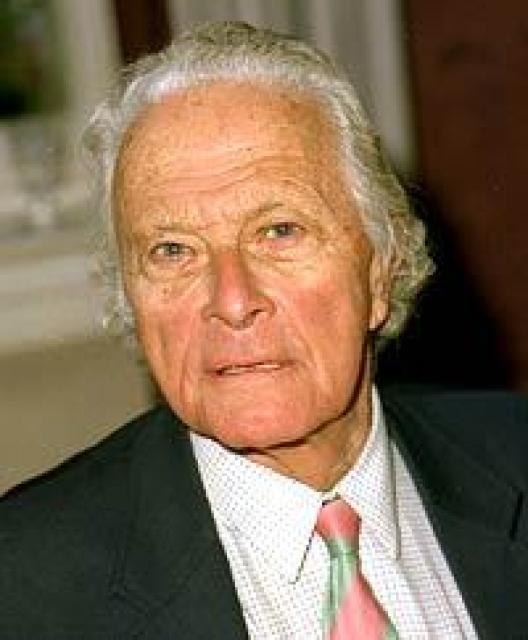
Bauer was a member of the British Academy and the Mont Pelerin Society, an organization that supports free-market economic policies and the values of an open society. He was widely regarded as one of the most influential economists of the post-war period and was known for his disagreement with the prevailing belief that developing countries could only be helped through full control of their economic and political situations. Bauer argued that the development of Third World countries could only occur through their complete freedom and independence from donor countries.
Throughout his numerous articles and books, Bauer consistently advocated for freedom in all its manifestations. He critically analyzed the state of economic science and its adequacy in addressing the realities of economic life. Bauer often arrived at unsettling conclusions, challenging established theories and exposing the confusion and misrepresentation of cause and effect.
In 2002, Peter Thomas Bauer was honored with the prestigious Milton Friedman Prize for Advancing Liberty, awarded every two years to individuals who have made significant contributions to the promotion of freedom. Bauer was the first recipient of this award, established in 2002. He also held an Honorary Doctorate from Francisco Marroquin University in Guatemala City since 1978.


