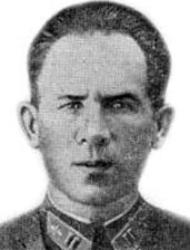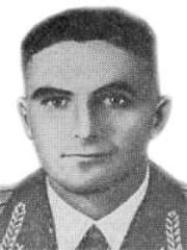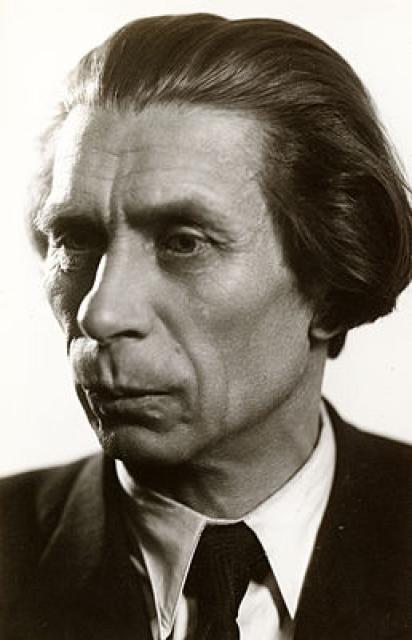
Petras Vaiciunas
 Latvia
- Juozas Vaičiūnas: A Literary Luminary of Lithuania
- Return to Lithuania and Literary Career
- Original Works and Theater Success
- Academic Career and Literary Shadows
- Literary Legacy
- International Recognition
- Final Resting Place
Juozas Vaičiūnas: A Literary Luminary of Lithuania
Early Life and EducationJuozas Vaičiūnas, born into a family of modest means, began his educational journey in his hometown of Vilkomir. His pursuit of knowledge took him to Kaunas and eventually to Petrograd, where he immersed himself in the vibrant world of theater as a member of the Juozas Vaičkus Studio. It was during this period that he penned his debut plays, "Pražydo nuvytusios gėlės" (1916) and "Aukos" (1917).
Return to Lithuania and Literary Career
In 1920, Vaičiūnas returned to an independent Lithuania, where he became an integral figure in Kaunas' theatrical scene. As the administrator and treasurer of the theater, he played a pivotal role in its success. Concurrently, he embarked on a prolific literary career, translating over thirty dramatic works from German, Polish, Russian, French, and English into Lithuanian.
Original Works and Theater Success
In 1924, Vaičiūnas' first original play, "Patriotai," graced the stage of the State Theater, marking his debut as a playwright. Over the years that followed, he penned approximately twenty plays, of which sixteen were staged. His works explored themes of realism, depicting the complexities of bourgeois life and the struggles of the human spirit.
Academic Career and Literary Shadows
During the early years of Soviet rule and throughout the war, Vaičiūnas served as the director of the Library of the Lithuanian Academy of Sciences. However, in 1945, he was abruptly dismissed. In his later years, he faced harsh criticism and a ban on the publication of his works.
Literary Legacy
Despite these setbacks, Vaičiūnas' legacy as a writer and translator remains undeniable. His early symbolist poetry, such as "Rasoti spinduliai" (1923) and "Tekanti saulė" (1925), expressed deeply personal and pessimistic sentiments. In his later dramas, he shifted his focus to more realistic portrayals of human nature and social issues.
International Recognition
Vaičiūnas' work transcended national boundaries. His plays were translated into multiple languages, including Yiddish, Latvian, Polish, Russian, Czech, Esperanto, and Estonian. As a translator, he introduced Lithuanian audiences to the works of renowned authors such as Maurice Maeterlinck, Knut Hamsun, Friedrich Schiller, Henrik Ibsen, and Maxim Gorky.
Final Resting Place
Vaičiūnas' earthly journey culminated in his burial at the Rasu Cemetery in Vilnius, a city that held a special place in his literary imagination. His legacy as a prolific playwright, translator, and literary figure continues to inspire generations of Lithuanian artists and scholars alike.