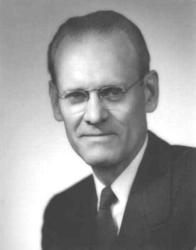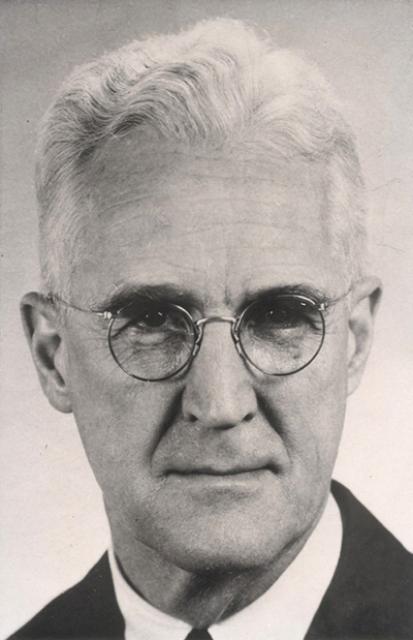
Philip Drinker
 USA
USABiography of Philip Drinker
Born in 1894 in Haverford, Pennsylvania, Philip Drinker was an American physician and inventor who is best known for creating the first artificial respiration device. His father, Henry Sturgis Drinker, worked for the railroad and served as the president of Lehigh University. Growing up in a family that valued education, Philip and his siblings pursued successful careers in fields such as musicology, law, writing, and medicine.
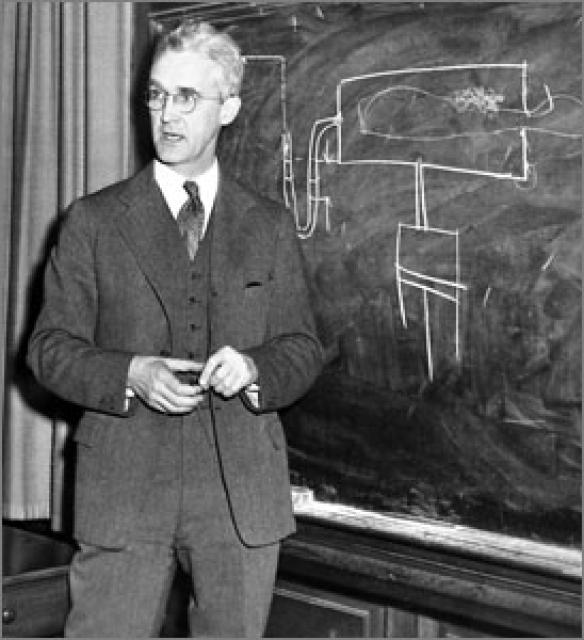
After graduating from Princeton in 1915, Drinker studied chemistry at Lehigh University for two more years. He then specialized in medical equipment and continued his education at Harvard Medical School. From 1921 (or 1923) onwards, Philip worked at the Harvard School of Public Health, where he not only studied but also taught and wrote textbooks. Many of his scientific works focused on the topic of industrial hygiene.
During this period, Drinker collaborated with Louis Agassiz Shaw to develop the artificial respiration device, which later became widely known as the "iron lung." The apparatus, a sealed chamber that encased the patient's body while leaving the head exposed, utilized changes in pressure to assist with breathing. It was first tested in 1928 on a patient with polio and gained significant demand in the 1930s during the polio epidemic.
During World War II, Philip Drinker contributed to military efforts by addressing healthcare and hygiene issues in the army. After the war, he served as a consultant for the Atomic Energy Commission. For over thirty years, Drinker was an editor for "The Journal of Industrial Hygiene," a specialized publication. In 1942, he became the president of the newly established American Industrial Hygiene Association.
In the early 1960s, Drinker left Harvard, and in 2007, he was inducted into the National Inventors Hall of Fame for his invention of the artificial respiration device. In his personal life, Philip and his wife Susan had three children - a son and two daughters.