Phulan Devi
 India
Phoolan Devi’s life moved through poverty, outlawry, prison, and elected office, making her one of the most contested figures in modern Indian public life. Born on August 10, 1963, in a village in Uttar Pradesh, she came from the Mallah community, a marginalized fishing and boatman community, and grew up amid rural poverty and a family dispute over land. Later known across India as the Bandit Queen, she was at once feared as an outlaw and embraced by many poor people as a symbol of resistance to entrenched caste and gender hierarchies.
A childhood without protection
Devi’s childhood was shaped by social and economic vulnerability. She was married while still very young, in a child marriage that she later left. Accounts of her early life describe repeated exposure to coercion, sexual violence, and abusive encounters with the police and powerful men. Because many details became part of competing biographies, newspaper narratives, and court arguments, her story has often been retold with conflicting claims. What is clear is that she grew up in a society where a poor, low-caste girl had little access to protection or influence.
By the late 1970s, Devi had joined a dacoit gang operating in the ravines of the Chambal region. After gang leader Vikram Mallah was killed, she became associated with a new group of outlaws. Her years in the ravines were marked by robberies, armed confrontations, and reprisals. In February 1981, a group of men from the upper-caste Thakur community was killed at Behmai, an event that brought national attention and intensified the image of Devi as both a feared criminal and a figure of caste conflict. She denied being present at the killings, and accounts of her precise role have remained disputed. The violence left lasting grief for victims’ families as well as deepened public debate about how to understand her actions.
Surrender and years in prison
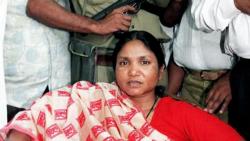
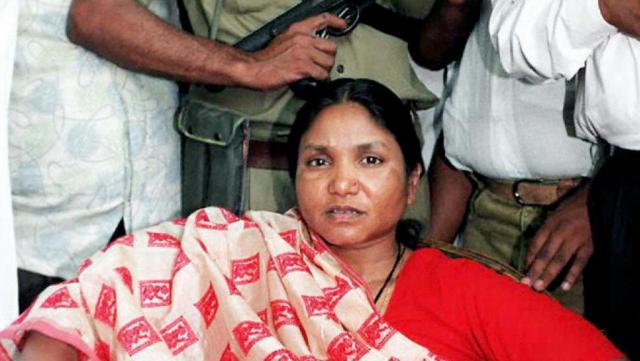
On February 12, 1983, Devi surrendered to authorities in Madhya Pradesh after negotiations. The carefully staged ceremony drew a large crowd and was framed as a negotiated end to an extraordinary period of banditry. The terms and legal consequences of the surrender became contentious. She remained in custody for about eleven years while many cases were pending, and in the 1990s she challenged her continued detention in court. Her release in 1994 brought her back into public life.
Her story also became the subject of Shekhar Kapur’s 1994 film Bandit Queen, based partly on Mala Sen’s book. Devi objected to the film’s portrayal and challenged it in court, arguing that important scenes were inaccurate and violated her privacy and dignity. The controversy raised lasting questions about who has the right to tell a living person’s story, especially when the narrative centers on sexual violence and trauma.
From the ravines to Parliament
After her release, Devi entered politics with the Samajwadi Party. In 1996, she won election to the Lok Sabha, India’s lower house of Parliament, representing Mirzapur in Uttar Pradesh. Her victory was extraordinary for a woman from a marginalized rural community with little formal education and a criminal past. It made her a public representative whose life experience brought attention to questions of caste discrimination, rural poverty, violence against women, and access to justice. She lost her seat in 1998 and returned to Parliament after winning again in 1999.
Devi was assassinated outside her New Delhi home on July 25, 2001, while still a sitting member of Parliament. A Delhi court later convicted Sher Singh Rana of her murder and sentenced him to life imprisonment. The killing ended a life already turned into legend, yet did not resolve the arguments that surrounded her: how to reckon with violence without erasing the inequalities that shaped her world, and how to remember a person whose life was repeatedly narrated by others.
Phoolan Devi’s legacy remains difficult and significant. She was neither only the outlaw of sensational headlines nor only a symbol made by admirers. Her life exposed the brutal conditions faced by marginalized women, and it also included grave violence that demands remembrance of its victims. Her journey from a village in Uttar Pradesh to the national Parliament remains a striking story of survival, political change, and the limits of justice.