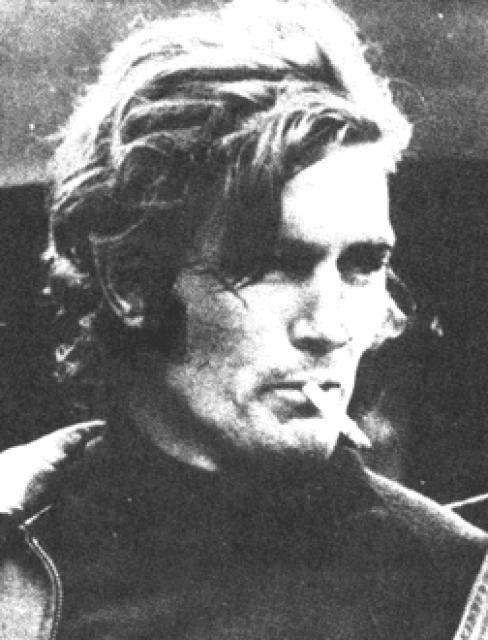
Paul John Knowles
 USA
Paul John Knowles was an American criminal whose 1974 killing spree left investigators confronting a grim and unresolved question: how many people had he murdered? Authorities linked him to at least 18 deaths, while Knowles claimed a higher total. He was killed before he could stand trial, leaving evidence, survivor testimony, and his own recorded statements to shape the historical record.
Early Life and Criminal Record
Knowles was born in Florida in 1946 and grew up in Jacksonville. He entered the justice system as a teenager and spent much of his early adulthood in and out of custody for offenses that included burglary and auto theft. In 1974, after another arrest in Jacksonville, he escaped from a temporary detention cell. That flight marked the beginning of the crime spree that brought him national notoriety.
The 1974 Crime Spree
Over the next several months, Knowles traveled through multiple states, committing robberies, kidnappings, and murders. Newspapers dubbed him the “Casanova Killer,” a label that played on his reported charm and appearance. The nickname obscured the brutality of the crimes and the victims whose lives were taken.
The exact number of victims remains uncertain. The Georgia Bureau of Investigation has described him as responsible for at least 18 murders. Knowles himself claimed to have killed as many as 35 people, but that larger number was never verified. During the spree he sent recorded confessions to a Florida attorney, apparently hoping his story would attract attention. Investigators later used information from the recordings to examine unsolved cases, though the original tapes and transcripts were destroyed in a courthouse flood.
Capture and Death
On November 17, 1974, Knowles was captured near McDonough, Georgia, after a roadblock halted his flight. The GBI said the manhunt followed his kidnapping of a Florida state trooper and another man, both of whom were murdered in Georgia. He was later fatally shot by a GBI agent on December 18 while attempting to escape from custody. His death ended the investigation into him as a living suspect and ensured that many allegations would never be tested in a criminal trial.
Cold Cases and Legacy
The investigation continued long after his death. In 2011, DNA identified the remains of 13-year-old Ima Jean Sanders, who had disappeared in 1974. Investigators compared the case with details in Knowles’s recorded account and concluded they were reasonably confident he had killed her. The case illustrates both the lasting value and the limits of forensic evidence: it helped identify a victim and strengthen the historical record, even though the suspect could no longer be prosecuted. Knowles is remembered less for the nickname attached to him than for the victims and families left behind by a short, violent period of crime.


