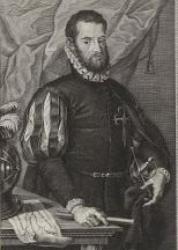
Pier-Sharl Vilnev
 France
- Biography of Pierre-Charles Villeneuve
- Missed Opportunities
- The Battle of Abukir and Trafalgar
- Later Years
Biography of Pierre-Charles Villeneuve
Early Life and CareerPierre-Charles-Jean-Baptiste-Silvestre de Villeneuve was born on December 31, 1763, in Valensole, France. He came from a noble family and quickly rose through the ranks after joining the navy. In 1793, he was given command of a ship, and in 1796, he was promoted to the rank of Rear-Admiral.
Missed Opportunities
Villeneuve had several chances to win victories in naval battles but failed to capitalize on them, ultimately leading to two major defeats for the French fleet. In 1798, he was supposed to join an expedition to Ireland to support General Hoche's troops in their campaign against England, but he arrived late, and the Spanish fleet suffered a defeat, preventing the planned landing. Another missed opportunity came during Napoleon Bonaparte's Egyptian expedition in 1798. Villeneuve, serving as the junior flag officer under Vice-Admiral Brueys, failed to engage the enemy despite the opportunity to turn the tide in favor of the French.
The Battle of Abukir and Trafalgar
One of the most significant battles in which Villeneuve participated was the Battle of Abukir on August 1, 1798. The English fleet, led by Admiral Nelson, launched a fierce attack, but Villeneuve, commanding the rear-guard, failed to provide support, and the French fleet suffered heavy losses. However, Villeneuve's most infamous defeat came at the Battle of Trafalgar in 1805. Despite displaying personal courage, he was unable to influence the outcome of the battle, which ended in a decisive victory for the British. Villeneuve was captured but later released.
Later Years
In 1804, Villeneuve was appointed commander of the French fleet, succeeding his deceased predecessor. However, his leadership was criticized by Napoleon, who accused him of lacking courage. Villeneuve's career took a further setback when he deviated from Napoleon's orders and sailed to Cadiz instead of joining forces with other French and Spanish fleets. This decision prevented Napoleon from carrying out his planned invasion of England. Villeneuve's final command was at the Battle of Trafalgar, where he showed personal bravery but was unable to turn the tide of the battle. After returning to France, he took his own life in Rennes on April 22, 1806, using a dagger. Napoleon described Villeneuve as an officer with naval experience but lacking resolution and energy, possessing the qualities of a port commander rather than a soldier.