Pius X
 Kingdom of Italy
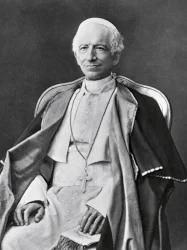
Pope Pius X came from a modest family in northern Italy and rose through parish and diocesan service to lead the Catholic Church at the start of the twentieth century. His pontificate is remembered for reforms that shaped Catholic worship and administration, especially his encouragement of frequent Communion. It was also marked by a forceful campaign against theological modernism, a response that left a lasting mark on Catholic intellectual life.
From village priest to pope
Born Giuseppe Melchiorre Sarto in Riese, in the Kingdom of Lombardy-Venetia, on June 2, 1835, he was the son of a village postman and a seamstress. After studying for the priesthood, he was ordained in 1858 and served as a parish priest before taking on larger responsibilities in the Church. He became bishop of Mantua in 1884 and patriarch of Venice in 1893.
Sarto was elected pope in 1903 and took the name Pius X. His motto, “To restore all things in Christ,” captured his view that the Church needed renewal rooted in its spiritual and doctrinal traditions. He was known for personal simplicity, but his programme was energetic: he reorganized parts of the Roman Curia, promoted the codification of canon law, and pressed for stronger religious education.
Reforming worship and practice
Pius X gave particular attention to the liturgy and sacred music. He encouraged Gregorian chant and fuller participation by the congregation. He also promoted frequent, including daily, Communion. In 1910, his decree Quam singulari affirmed that children could receive First Communion once they reached the age of reason, usually understood as around seven. The policy made the sacrament more accessible to younger children and became an enduring feature of Catholic practice.
His broader administrative reforms aimed to make Church governance more consistent. The codification of canon law began under his direction, although the first comprehensive code was promulgated in 1917, after his death. These changes formed part of a wider effort to clarify Church teaching, discipline, and internal structures.
The modernism controversy and final years
Pius X’s pontificate also saw intense conflict over modernist approaches to biblical scholarship, theology, and the relationship between faith and modern knowledge. In 1907, the encyclical Pascendi Dominici gregis and the decree Lamentabili sane exitu condemned propositions associated with modernism. Supporters saw these measures as protecting Catholic doctrine; critics have argued that the resulting climate of suspicion and surveillance constrained scholarly debate within the Church.
When the First World War began in 1914, Pius X condemned the outbreak of hostilities and called for peace. He died at the Vatican on August 20, 1914, just weeks after war began. Pope Pius XII beatified him in 1951 and canonized him in 1954.
The legacy of Pius X brings together two strong impulses: practical reform within Catholic life and determined resistance to ideas he believed threatened the faith. His changes to worship and sacramental practice remain widely felt, while the modernism controversy continues to shape discussions about authority, scholarship, and the Church’s encounter with modernity.