Pol Verhoven
 USA
USA- Biography of Paul Verhoeven
- Early Life and Career
- Breakthrough and Success in the Netherlands
- Transition to Hollywood
- Later Career
Biography of Paul Verhoeven
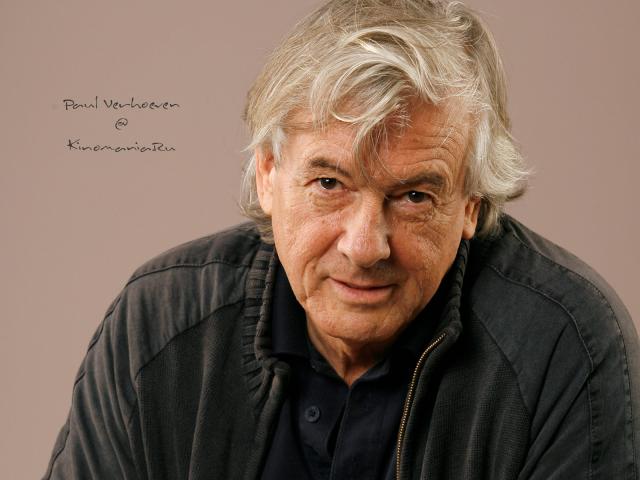
Paul Verhoeven, an American film director of Dutch descent, is one of those immigrants who managed to become part of another culture, part of Hollywood. At the same time, his works always carry the presence of Europe - free, uninhibited, and satirical. Most of Verhoeven's films have become cult classics and gained scandalous notoriety.
Early Life and Career
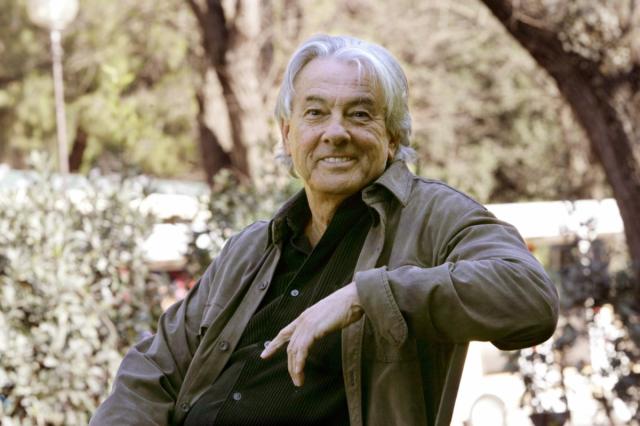
Paul Verhoeven was born in Amsterdam on July 18, 1938. After finishing school, he studied physics and mathematics at Leiden University. As a student, he became interested in cinema and started attending courses at the Netherlands Film Academy. Verhoeven's first works were propaganda films for the Netherlands Marine Corps. In 1960, he graduated from university but decided to pursue a career in film instead of his field of study. He got a job in television where he directed short films, both narrative and documentary.

Breakthrough and Success in the Netherlands
A turning point in the career of the emerging director came in 1969 when he met actor Rutger Hauer, who became his calling card for several years. Verhoeven was impressed by Hauer's natural ease in front of the camera. In 1971, Verhoeven's first feature film, 'Business Is Business', was released. This comedic tragedy about the adventures of two Amsterdam prostitutes received mixed reactions from audiences. Critics praised its freedom, satire, and style but criticized the weak plot and Verhoeven's lack of experience. However, his second film, 'Turkish Delight' (1973), created during the peak of the sexual revolution in cinema, gained scandalous fame due to its explicit erotic scenes. The film showcased the shocking reality and vices of modern society and became the highest-grossing film of the year. Verhoeven's collaborations with Hauer continued with films like 'Soldier of Orange' (1977), 'Spetters' (1980), and 'The Fourth Man' (1983), which were all influenced by the sexual revolution and the newfound freedom and thinking of the time.
Transition to Hollywood
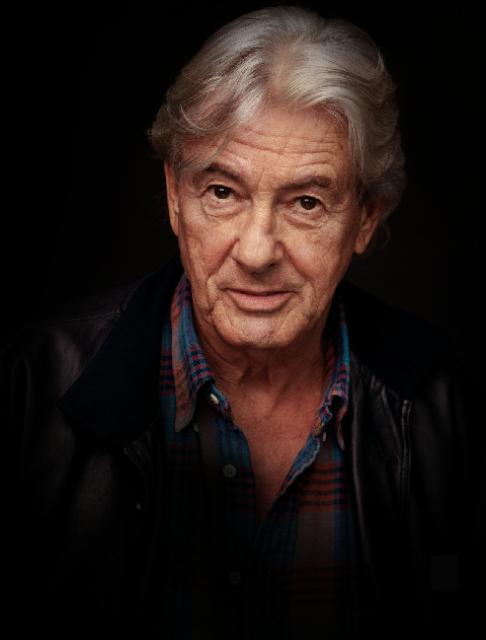
Starting from the mid-1980s, Verhoeven began a new phase in his career. He stopped working with Rutger Hauer and moved to the United States. There, he quickly integrated into American culture and established himself as a prominent Hollywood director. His debut in the U.S. was the cult classic science fiction film 'RoboCop' (1987), which tells the story of a robotic policeman fighting against criminal gangs. The film was a tremendous success, grossing over $50 million in the U.S. and receiving critical acclaim. Verhoeven's subsequent film, 'Total Recall' (1990), based on a story by Philip K. Dick and starring Arnold Schwarzenegger, was equally successful. He continued to choose interesting and unconventional projects, such as the highly popular film 'Basic Instinct' (1992), which became a benchmark in cinematic history.

Later Career
In recent years, Verhoeven has directed films less frequently. From 1995 to 2006, he released only four films. Among them, the most notable are 'Showgirls' (1995) and 'Black Book' (2006). 'Showgirls' was a commercial failure but gained a cult following. Critics had mixed opinions, with some considering it the worst film of the year, while others praised it as one of the best films of the 1990s. 'Black Book', a World War II drama, unexpectedly achieved tremendous success in Europe and received numerous awards, including the highest Dutch film award, the Golden Calf.

Verhoeven has gained a reputation as a controversial director, but no one doubts his authority as a master of cinema. He is known for his satirical approach and his ability to make high-budget genre films with a touch of irreverence. Verhoeven's work continues to captivate audiences and challenge conventional filmmaking norms.