Prince Philip
 Great Britain
- Biography of Prince Philip, Duke of Edinburgh
- Early Life and Exile
- Naval Career and Marriage
- Interests and Patronage
Biography of Prince Philip, Duke of Edinburgh
Prince Philip, Duke of Edinburgh, the husband of Queen Elizabeth II, has been closely watched by the world throughout his life. Questions about how they fell in love and when they got married are just the beginning. It is also interesting to know about his sports interests and artistic achievements, as well as how his youth unfolded.
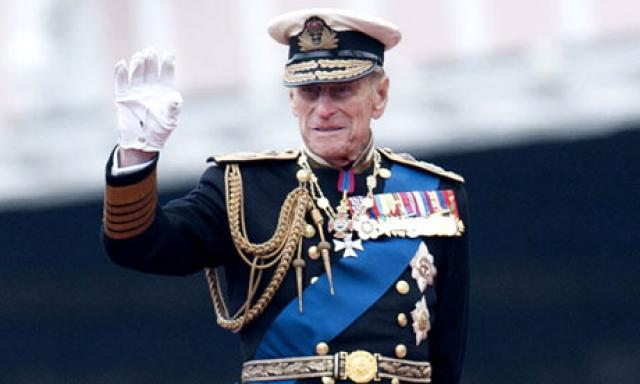
Early Life and Exile
Philip Mountbatten (Battenberg), the fifth child and only son of Prince Andrew and Princess Alice Battenberg, was born on June 10, 1921, on the Mon Repos villa on the Greek island of Corfu. However, in September 22, 1922, his uncle, King Constantine I, was forced to abdicate the throne, and Prince Andrew, along with others, was arrested by the military government. By the decision of the revolutionary court, Andrew was banished from Greece for life. The British Royal Navy ship HMS Calypso transported Andrew's family, including young Philip in a crib made from a fruit basket, to France. Philip's family settled in Saint-Cloud, a suburb of Paris. In 1928, he was sent to study in Great Britain. He later moved to Germany, where he attended a private boarding school in 1933. By this time, his mother was already in a psychiatric hospital, diagnosed with schizophrenia. Philip also received education in Scotland. In 1937, his sister Cecilia, her husband, their two young sons, and their mother-in-law died in an airplane crash in Ostend. 16-year-old Philip attended their funerals in Darmstadt. The following year, his guardian and uncle, Lord Milford Haven, died from bone marrow cancer.
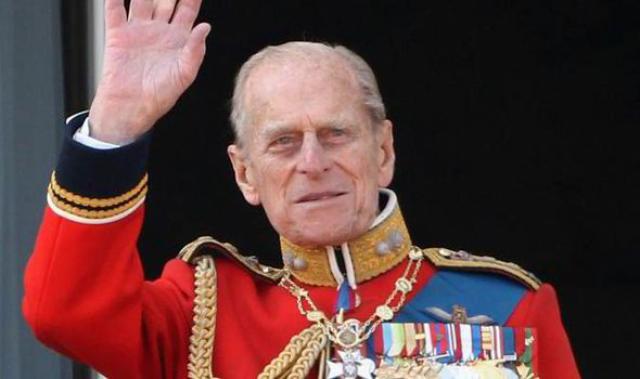
Naval Career and Marriage
In 1939, Philip began his training at the Royal Naval College in Dartmouth, where he graduated as a midshipman in January 1940. He spent four months on the battleship HMS Ramillies and then briefly served on the ships HMS Kent and HMS Shropshire. When Italian forces invaded Greece in October 1940, Philip was transferred to the battleship HMS Valiant as part of the Mediterranean Fleet. He remained in the Royal Navy throughout World War II. In January 1946, Philip returned to the United Kingdom on the destroyer HMS Whelp and took up a position as an instructor on the cruiser HMS Royal Arthur at the Petty Officer's School in Wiltshire.

In 1939, King George VI visited the Royal Naval College in Dartmouth. This helped Philip, a student at the time, to meet his fourth cousins Princess Elizabeth and Princess Margaret. Elizabeth quickly fell in love with her distant relative. They began corresponding when Elizabeth was thirteen. In the summer of 1946, Philip asked the King for his daughter's hand in marriage. Just before the wedding, Philip was granted the title Duke of Edinburgh. The wedding ceremony took place on November 20, 1947, at Westminster Abbey. The newlyweds settled in Clarence House. Their first child, Charles, was born in 1948, followed by Princess Anne in 1950, Prince Andrew in 1960, and Prince Edward in 1964. After the death of King George VI in 1952, Elizabeth ascended to the throne as Queen Elizabeth II. Philip became the husband of the reigning monarch of the United Kingdom but declined the title of Prince Consort. He supported Elizabeth in her new role, accompanying her to various ceremonies, including the State Opening of Parliament in different countries, state banquets, and overseas trips.

Interests and Patronage
Prince Philip played polo and engaged in sailing. He took his first flying lesson in 1952 and had accumulated 5,150 hours of flying time by his 70th birthday. Philip also created oil paintings and collected artwork, including pieces from contemporary caricaturists. British art critic Hugh Casson described Philip's works as "having what you'd expect... a direct approach, without any fussing about." Casson also noted strong colors and energetic brushstrokes in Philip's technique. Philip was a patron of around 8,000 organizations and served as the chairman of the Duke of Edinburgh's Award, which recognizes the achievements of young people aged 14 to 24. He surpassed the record set by Queen Victoria's third son, Prince Arthur, for the longest lifespan among male members of the British royal family.