
Rachael Farrokh
 USA
USA- Rachel Farrokh: A Journey of Hope
- A Public Plea and an Outpouring of Support
- A Hopeful Transfer
- The Recovery Process
- Videos from the Front Lines
- A Personal Connection
- The Toll of Anorexia
- Expert Insight
- Anorexia: Beyond Food
Rachel Farrokh: A Journey of Hope
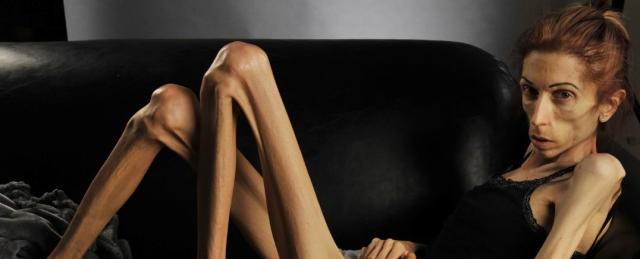
Anorexia at 37: A Fight for SurvivalRachel Farrokh, a 37-year-old actress, has publicly shared her decade-long battle with anorexia. Weighing just over 40 pounds at 5'7", her condition has deteriorated significantly in recent months. Despite reaching out to several hospitals near her home in San Clemente, Orange County, California, she was denied admission, allegedly due to her "dangerous" weight.

A Public Plea and an Outpouring of Support
Farrokh's husband, Rod Edmondson, took to the crowdfunding platform GoFundMe to plead for help. "My beautiful wife of almost 10 years is out of options unless we take action! She is battling the deadliest of all mental illnesses: Severe Anorexia," he wrote. Within weeks, nearly $200,000 in donations poured in, covering the costs of a medical team and other specialists who care for Rachel at her bedside.

A Hopeful Transfer
Faced with concerns about transporting Farrokh to a hospital in Colorado, she was admitted to UC San Diego Medical Center. Edmondson, a 41-year-old personal trainer, quit his job to provide round-the-clock care for his wife as her condition worsened. "We did it! Thank you for all the well wishes," Edmondson remarked shortly after their public plea. "We are so happy to report that we are now in an eating disorder recovery center."

The Recovery Process
Farrokh's medical team is likely focusing on restoring her nutritional status by gradually increasing her calorie intake. Edmondson has been advised that a rapid transition to a full diet could trigger "metabolic overdrive," leading to further weight loss.
Videos from the Front Lines
Edmondson has uploaded several videos of Farrokh's hospital stay, including one of their Boston Terrier, Chopper, visiting her bedside. Another shows her attempting to stand with the assistance of a device, her teeth gritted as she strains against the pain. In a YouTube video, a frail and bandage-wrapped Farrokh addresses her viewers: "Hey everyone. This is Rachel. I wanted to reach out and say thank you to all of you for everything that you guys are doing for us. It means the world to us. It's given me a fighting chance. What you guys have done is amazing." She mentioned that her recovery will be a long-term process, potentially taking three to five years.

A Personal Connection
Rachel and Rod Edmondson met when he was assigned as her personal trainer. A vibrant and active woman before her anorexia battle, Farrokh began her weight loss journey with a desire to tone her abs. However, a sudden job loss and traumatic memories from her past contributed to the development of a severe eating disorder. As it spiraled out of control, she dropped from a healthy 125 pounds to a dangerous range, eventually weighing less than 50 pounds at her lowest point.
The Toll of Anorexia
At her most critical point, Farrokh weighed only 18 pounds. She has declined to specify her exact weight, but YouTube videos reveal protruding ribs and visible knee bones. Her severe condition has led to heart and kidney failure, as well as the need for blood transfusions. Cognitive impairment has also set in, with Farrokh's brain function slowing due to her low weight. She sometimes forgets conversations moments after they occur.
Expert Insight
Dr. Michael Strober, a professor of psychiatry at UCLA Resnick Neuropsychiatric Hospital, cautions that nutritional rehabilitation for "dangerously low weight" patients must be meticulously controlled to avoid life-threatening complications. "Too rapid a rise in calories can lead to metabolic adaptations that are associated with serious, even life-threatening risks," Strober said.
Anorexia: Beyond Food
Anorexia is an eating disorder characterized by abnormally low body weight and an intense fear of gaining weight. Sufferers typically have a distorted body image and may engage in severe food restriction, purging, and excessive exercise to shed "excess" weight.
In addition to weight loss, symptoms include blood abnormalities, fatigue, insomnia, dizziness, thinning or brittle hair, amenorrhea (loss of menstruation in women), and dry skin. Experts emphasize that anorexia is not simply a "stubborn relationship with food," as often perceived. It is a harmful coping mechanism for underlying emotional issues and a distorted view of one's body that can fuel relentless weight loss, ignore consequences, and perpetuate unrealistic ideas.


