Rafael Cansinos Assens
 Spain
Spain- Rafael Cansinos Assens: A Visionary Writer of the Avant-Garde
- Modernism and the Literary Avant-Garde
- Ultraism and International Collaboration
- Literary Exile and Persecution
- Prolific Author and Translator
- Posthumous Recognition
- Critical Acclaim
Rafael Cansinos Assens: A Visionary Writer of the Avant-Garde
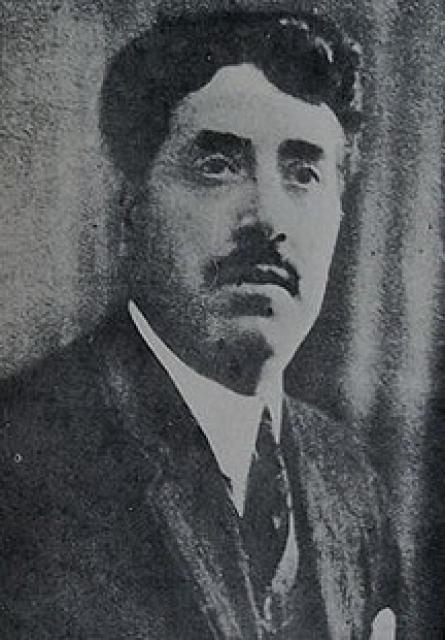
Early Life and InfluencesRafael Cansinos Assens was born into a humble family of Andalusian descent. With Rita Hayworth among his paternal relatives and a devout Catholic mother, he inherited a rich cultural heritage, including Sephardic ancestry. Leaving Seville at 15, he settled in Madrid, where his exceptional linguistic abilities blossomed.
Modernism and the Literary Avant-Garde
Cansinos Assens embraced Spanish modernism in the early 20th century, contributing to Madrid's literary scene. He became a prominent figure in the bohemian circles, befriending literary luminaries such as Rubén Darío, Ramón del Valle-Inclán, and Federico García Lorca.
Ultraism and International Collaboration
After 1914, Cansinos Assens emerged as a leading force in Spanish and Latin American avant-garde literature. He co-founded the ultraist movement and published in vanguard journals such as "Cervantes," "Grecia," and "Urna." His international connections included Max Nordau, Waldo Frank, and Vicente Huidobro. He became a literary mentor to Jorge Luis Borges.
Literary Exile and Persecution
Amidst the rise of Franco's dictatorship, Cansinos Assens found himself in internal exile. His writings appeared only in Latin America, censored by the Spanish authorities. Despite prohibitions on his public appearances, his name was omitted from translations of his works. After his death, only one Spanish newspaper published an obituary.
Prolific Author and Translator
Cansinos Assens' literary repertoire was vast and experimental. As a poet, he debuted with "El candelabro de los siete brazos" (1914). His prose works were characterized by innovation and erotic themes, which challenged Spanish Catholic traditionalism. He also translated numerous classics from diverse languages, including the Qur'an, the "Arabian Nights," and works by Goethe, Dostoevsky, and Ólafur Tryggvason.
Posthumous Recognition
Cansinos Assens' groundbreaking novel-collage, "El romance de un hombre de letras," and his memoir, "La bohemia," were published posthumously. His literary legacy has been preserved through the Rafael Cansinos Assens Foundation-Archive at the National Library of Spain. Since 2006, his extensive literary corpus has been systematically published by the publishing house El Arca.
Critical Acclaim
In 1925, Cansinos Assens was awarded the Spanish Royal Academy's Prize for Literary Criticism for his erudite essays. Despite the challenges he faced during his lifetime, his innovative spirit and prolific writings have ensured his enduring place in Spanish literary history.