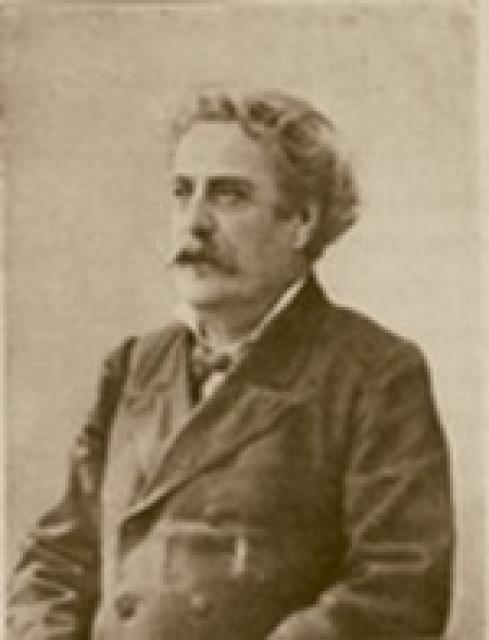
Raffaello Giovagnoli
 Italy
Italy- Raffaello Giovagnoli: Italian Historical Novelist
- The Power of "Spartacus"
- Social and Political Influences
- A Nationalistic Ideal
- Literary Influences
- Censorship and Impact
- Legacy of "Spartacus"
Raffaello Giovagnoli: Italian Historical Novelist
The Birth of "Spartacus"Raffaello Giovagnoli emerged as a prominent Italian historical novelist with the publication of his masterpiece, "Spartacus" (1874). This captivating novel launched a series of historical works set in ancient Rome, solidifying his reputation as a master of historical fiction.
The Power of "Spartacus"
"Spartacus" stands out among Giovagnoli's works, not only for its historical accuracy but also for its passionate portrayal of the struggle against oppression. Giovagnoli's deep understanding of Roman history imbued the novel with an authenticity that captivated readers. However, this was not merely a historical account; it was a powerful indictment against tyranny and a celebration of the indomitable spirit of rebellion.
Social and Political Influences
Giovagnoli's generation of Italian intellectuals played a pivotal role in the nation's unification movement. They carried the heroic and revolutionary spirit of Giuseppe Garibaldi, believing in the transformative power of liberation. This deeply influenced Giovagnoli's portrayal of Spartacus' revolt as a struggle of oppressed peoples against Roman imperialism.
A Nationalistic Ideal
While acknowledging the class conflict at the heart of Spartacus' rebellion, Giovagnoli ultimately endorsed a nationalistic ideal. He envisioned Spartacus as a liberator of his homeland, Thrace, from Roman dominance. This aspiration resonated deeply with Giovagnoli's own experiences and the unfulfilled aspirations of Italian unification.
Literary Influences
Giovagnoli's writing style drew heavily from the Romantic tradition, particularly the works of Walter Scott and Alexandre Dumas père. He also acknowledged the influence of Italian novelists associated with the "Young Italy" movement, such as Massimo d'Azeglio and Luigi Capranica.
Censorship and Impact
"Spartacus" became a widely translated novel, but its reception in various countries varied greatly. In Russia, it faced censorship and was heavily abridged until the 1905 Revolution. Subsequently, it gained popularity as a revolutionary text alongside works by other Italian writers like Edmondo De Amicis and Luigi Settembrini.
Legacy of "Spartacus"
The profound impact of "Spartacus" extended beyond literary circles. In the Soviet Union, the name of the novel inspired the formation of the "Spartak" sports society, which played a significant role in developing Soviet athletics. Giovagnoli's work continues to be admired for its historical insights, its literary qualities, and its timeless message of resistance against oppression.