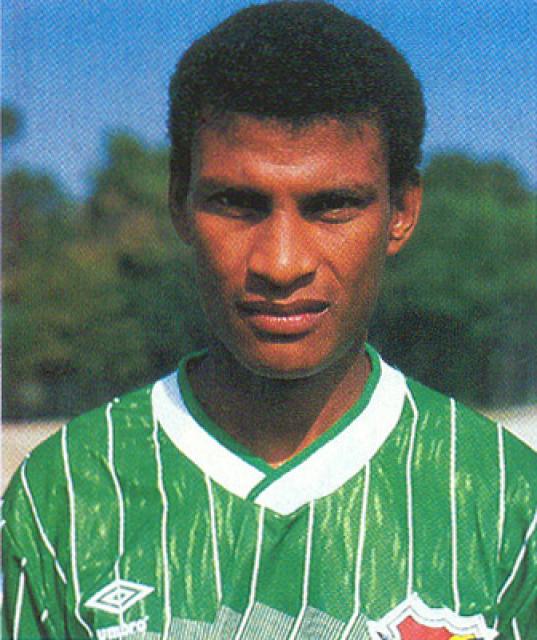
Ramiro Castillo
- Ramiro Castillo: Bolivian Football Legend and Symbol of Tragedy
- Early Career and Success
- International Acclaim and World Record
- Tragedy and Suicide
- Legacy and Impact
- Honors and Remembrances
Ramiro Castillo: Bolivian Football Legend and Symbol of Tragedy
Ramiro Castillo, known for his exceptional skills as a midfielder, was a beloved member of the Bolivian national football team and an unforgettable figure in the history of South American football.
Early Career and Success
Castillo's professional career took off in 1986 when he joined the Bolivian club "The Strongest." With the team, he achieved remarkable success, winning the Bolivian league championship three times in 1986, 1989, and 1993.
International Acclaim and World Record
In 1997, Castillo represented Bolivia at the Copa América, capturing the prestigious award of Most Valuable Player. His performance in the tournament earned him international recognition and placed him in the record books as the Bolivian with the highest number of appearances in the Argentine league.
Tragedy and Suicide
The pinnacle of Castillo's career was marred by a heartbreaking loss: his three-year-old son passed away prematurely before the Copa América final. Overwhelmed by grief and the inability to support his team at such a historic moment, Castillo succumbed to depression. Shortly after the tournament concluded, he tragically ended his own life in La Paz, Bolivia.
Legacy and Impact
Ramiro Castillo's life and career were a testament to both the triumphs and challenges faced by athletes. His three Bolivian league titles and Most Valuable Player award at the Copa América stand as a symbol of his talent and determination. His heartbreaking suicide, however, remains a poignant reminder of the deeply personal struggles that can accompany success and stardom.
Honors and Remembrances
In recognition of his contributions to football, the municipal stadium in Castillo's hometown was renamed after him in 2007. The stadium serves as a lasting tribute to the Bolivian legend, whose legacy continues to inspire aspiring players and fans alike.


