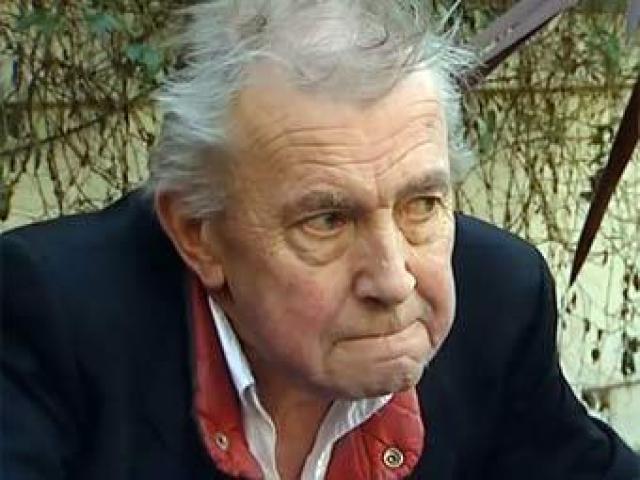
Ray Gosling
 Great Britain
- Ray Gosling: A Life of Advocacy and Controversy
- Early Life and Career
- The Confession
- BBC's Controversial Decision
- Police Investigation and Public Outcry
- BBC's Defense and Journalist Support
- Ethical and Legal Dilemmas
- Current Status and Legacy
Ray Gosling: A Life of Advocacy and Controversy
Ray Gosling, a renowned British documentary filmmaker and former BBC broadcaster, shocked the nation when he confessed on film to a cold-blooded murder committed decades prior. His admission sparked intense public debate about the ethics of euthanasia and drew harsh criticism upon the BBC for its handling of the sensitive material.
Early Life and Career
Gosling, born in Wales in 1946, embarked on a journalism career as a freelance presenter. He gained prominence for his numerous radio and television documentaries, tackling controversial issues such as LGBTQ+ rights and social justice.
The Confession
In a documentary on the topic of death, Gosling shared a bombshell revelation. He admitted to assisting the suicide of a terminally ill man during the early days of the AIDS epidemic. Gosling claimed that the act was not out of malice but rather a compassionate decision to end the deceased's unbearable suffering.
BBC's Controversial Decision
Gosling submitted his documentary to the BBC, sparking a heated internal debate. Despite being aware of the confession, the broadcaster proceeded to air the film two months later without informing law enforcement. Critics later accused the BBC of prioritizing sensationalism over legal and ethical obligations.
Police Investigation and Public Outcry
Upon the film's release, police launched an investigation and arrested Gosling. Public opinion was divided, with some condemning his actions as murder, while others defended his right to assisted dying. The incident also fueled broader discussions about legalizing euthanasia in the United Kingdom, a country with strict penalties for assisting suicides.
BBC's Defense and Journalist Support
The BBC issued a statement defending its decision to air the documentary, claiming that it was a matter of journalistic integrity and providing information to the public. Many journalists rallied behind the broadcaster, arguing that protecting sources and disseminating important information were crucial aspects of the profession.
Ethical and Legal Dilemmas
Gosling's confession raised complex ethical and legal questions. While some saw his actions as a compassionate act, others maintained that it was a criminal offense. The BBC's decision to broadcast the material without informing police sparked debates about the media's duty to uphold the law versus reporting on matters of public interest.
Current Status and Legacy
Gosling was sentenced to 18 months in prison in 2019. His case remains a controversial and thought-provoking example of the interplay between journalism, ethics, and the legal system. Ray Gosling's legacy as both a fearless advocate for marginalized communities and a convicted murderer serves as a cautionary tale about the complexities of life and the far-reaching consequences of one's actions.