Reginald Aubrey Fessenden
 Canada
- Reginald Fessenden: Pioneer of Radio and Inventor
- Early Career and Interest in Radio
- Innovation in Radio Broadcasting
- Development of Transmitters
- Historic Transatlantic Communication
- Pioneering Sound Transmissions
- Multifaceted Contributions
- Wartime Innovations
- Legacy and Impact
Reginald Fessenden: Pioneer of Radio and Inventor
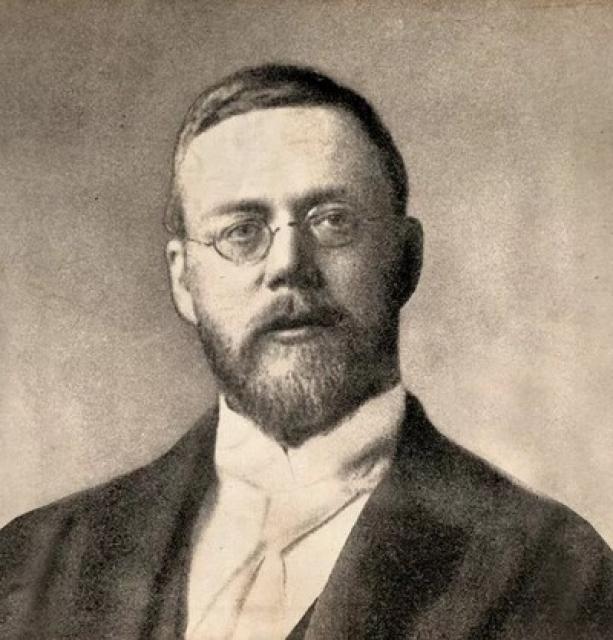
Early Life and EducationReginald Aubrey Fessenden, a Canadian and American inventor, was born on October 6, 1866, in East Bolton, Quebec, Canada. As the eldest of four children born to a minister, Fessenden excelled in his studies, becoming a mathematics tutor at the tender age of 14.
Early Career and Interest in Radio
Driven by an unquenchable thirst for knowledge in electrical engineering, Fessenden relocated to New York in 1886, where he briefly worked under the renowned inventor Thomas Edison. In 1892, he accepted a professorship in the newly established electrical engineering department at Purdue University in Indiana. It was here that his passion for radio technology ignited.
Innovation in Radio Broadcasting
Fessenden became the visionary who realized the potential of radio for transmitting sound, not just as a wireless telegraph. He partnered with the U.S. Weather Bureau to utilize coastal radio stations for weather forecasting. Along with this novel application, he also refined the radio receiver, enhancing its sensitivity.
Development of Transmitters
Despite disagreements with his sponsor, Fessenden left the Weather Bureau and joined the newly formed National Electric Signaling Company. There, he focused on developing novel transmitters: high-powered spark transmitters for radiotelegraph service and lower-powered continuous wave transmitters for audio broadcasting.
Historic Transatlantic Communication
In 1906, a historic milestone was achieved when the first two-way transatlantic radio communication took place between Brant Rock, Massachusetts, and a receiving station in Scotland. Fessenden's rotary spark transmitter played a pivotal role in this remarkable feat.
Pioneering Sound Transmissions
The same year, Fessenden publicly demonstrated a continuous wave transmitter for wireless telephone communication. Days later, he conducted the first radio broadcast of music for a mass audience. On Christmas Eve, he even transmitted his own violin performance and a Bible reading, though he later abandoned such broadcasts, considering the alternator transmitter better suited for telephone service.
Multifaceted Contributions
Fessenden's brilliance extended beyond radio. He contributed to the construction of the Niagara Falls hydroelectric station. In the field of sonar, he invented the "Fessenden Oscillator," enabling submarines to communicate underwater. He also proposed an iceberg detection method to prevent tragedies like the Titanic disaster.
Wartime Innovations
During World War I, Fessenden offered his expertise to the Canadian government. He traveled to London, where he developed a device to locate enemy artillery and another to detect enemy submarines.
Legacy and Impact
Throughout his lifetime, Fessenden accumulated over 500 patents. He passed away on July 22, 1932, in Bermuda and was laid to rest in the graveyard of St. Mark's Anglican Church. Fessenden's legacy lives on as a pioneer in radio technology, sound broadcasting, and numerous other fields. His groundbreaking inventions continue to shape modern communications and technological advancements.