Richard Aldington
 Great Britain
- Richard Aldington: A Biography
- Early Life and Education
- Literary Career
- Personal Challenges and Military Service
- Marital Struggles and Exile
- Literary Achievements and Controversy
- Later Years and Legacy
Richard Aldington: A Biography
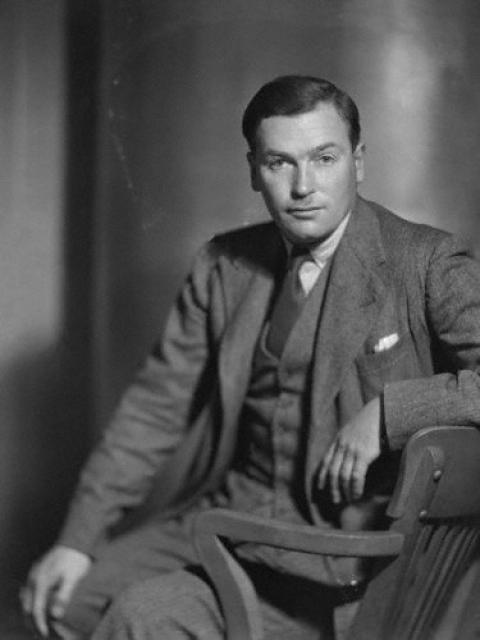
Richard Aldington, born Edward Godfrey Aldington on July 8, 1892, in Portsmouth, was an English writer and poet who gained popularity for his anti-war novel "Death of a Hero," which was partially autobiographical. Throughout his life, Aldington experienced complicated relationships, particularly with his bisexual wife. Their attempts to save their marriage ultimately failed, and Aldington's controversial biography of T.E. Lawrence severed his ties with his homeland.
Early Life and Education
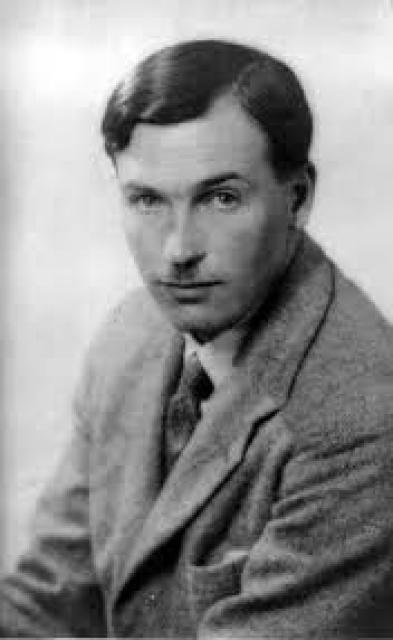
Aldington was the son of a lawyer and attended Dover College before spending a year as a student at the University of London. However, due to financial difficulties within his family, he was unable to continue his education.
Literary Career
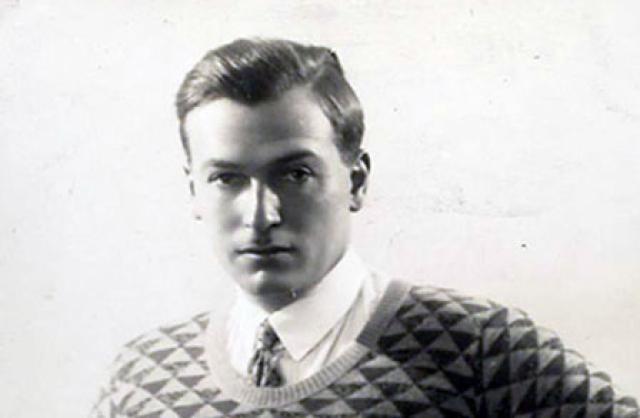
In 1911, Aldington met poet Hilda Doolittle, also known as H.D., a bisexual and the founder of imagism. They got married two years later, with Aldington becoming a part of the imagist group. His poetic forms filled Ezra Pound's anthology "Des Imagistes" in 1914. Initially, Aldington's poetry consisted of free verse, but it later evolved into rhythmic and sensual compositions.
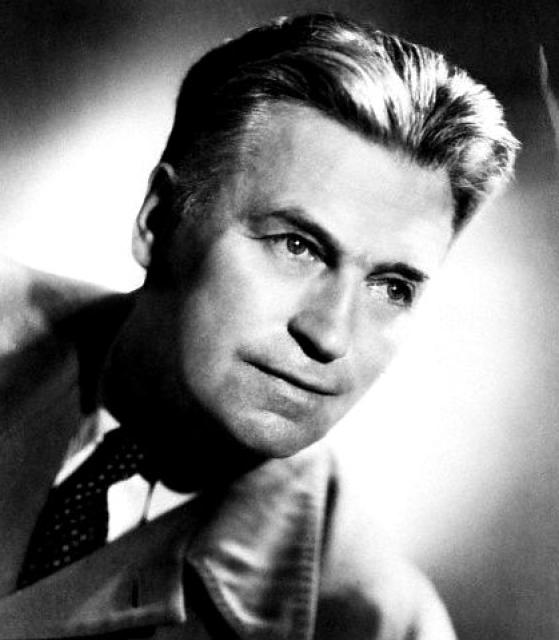
Aldington shared Thomas E. Hulme's belief that experimenting with traditional Japanese poetic forms could pave the way for avant-garde literature in England. As a result, he often visited the British Museum to study nishiki-e prints.
Personal Challenges and Military Service
In 1915, Aldington and his wife moved to London, where their relationship began to suffer due to extramarital affairs and the loss of their stillborn child. From 1914 to 1916, Aldington served as the literary editor of "The Egoist" magazine and wrote his own column. In 1916, he joined the army and was assigned to an infantry regiment. Aldington was wounded on the Western Front in 1917, and it is likely that he never fully recovered from the horrors of war, suffering from post-traumatic stress disorder.
Marital Struggles and Exile
In 1919, Aldington and Doolittle attempted to salvage their marriage after she gave birth to a child from her relationship with Cecil Gray, a friend of writer D.H. Lawrence. However, Doolittle was involved in a lesbian relationship with the wealthy writer Bryher while Aldington was at war. Eventually, the couple decided to separate but remained friends until the end of their days. They officially divorced in 1938.
In 1928, Aldington chose to "exile" himself from England and lived in Paris for many years. Initially, his companion was Bridget Patmore, but he later became captivated by Nancy Cunard, who served as a muse to some of the most eminent writers and artists of the 20th century. After his divorce in 1938, Aldington married Netta McClelland, Patmore's former stepdaughter.
Literary Achievements and Controversy
Aldington gained the most recognition for his poetry during the First World War and for his work "Death of a Hero" in 1929, which is now considered one of the most famous anti-war novels. In 1930, he published a vulgar translation of "The Decameron."
In 1942, Aldington and his wife moved to the United States, where he started writing biographies. His biography of T.E. Lawrence caused a stir due to its controversial claims. Aldington was the first to publicly declare that Lawrence was illegitimate and asserted that he was homosexual. These revelations tarnished the image of Lawrence within English society, leading Aldington to decide not to return to his homeland.
Later Years and Legacy
Aldington passed away on July 27, 1962, in Sury-en-Vaux, Cher, France, shortly after his visit to Moscow, where he was warmly received by his Soviet admirers. In his obituary in "The Times" newspaper, Aldington was described as a representative of the angry young generation who remained bitter even in old age.


