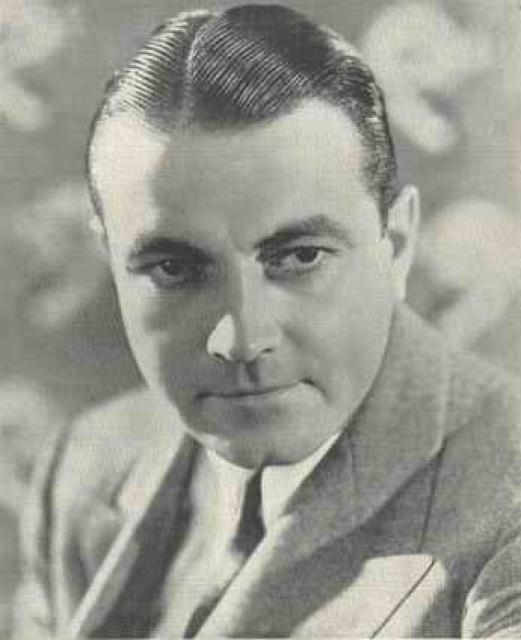
Richard Barthelmess
 USA
USARichard Barthelmess Biography
Richard Semler Barthelmess was born on May 9, 1895, into the family of actress Carolina Harris. His mother appeared in films directed by D.W. Griffith from 1909 to 1917, playing supporting roles in movies featuring Theda Bara and Mary Pickford. She also taught English to Alla Nazimova, a recent immigrant to the United States. In 1913, Richard enrolled at Trinity College in Hartford. Two years later, he participated in the filming of a movie for the Hartford Film Corporation. Although the studio went bankrupt, Barthelmess's encounter with Alla Nazimova propelled his film career. In 1916, they both made their debut in the film "War Brides." Barthelmess's performance was recognized as successful, and he became a professional actor earning $50 a week. In 1916 alone, he appeared in three films, one of which he even played the lead role in. In 1917, Richard Barthelmess appeared in eleven films, several of which starred Marguerite Clark. The year 1919 was a turning point for the actor. D.W. Griffith noticed him and cast him in several of his movies. Among the eight films, Barthelmess appeared in five of them featured the Gish sisters as his co-stars. His role in the film "Broken Blossoms" with Lillian Gish became particularly successful. He created the image of a beautiful, noble, and modest young hero that was adored by the audience. Richard Barthelmess became known as one of the most handsome men in Hollywood, and his fame continued to grow.
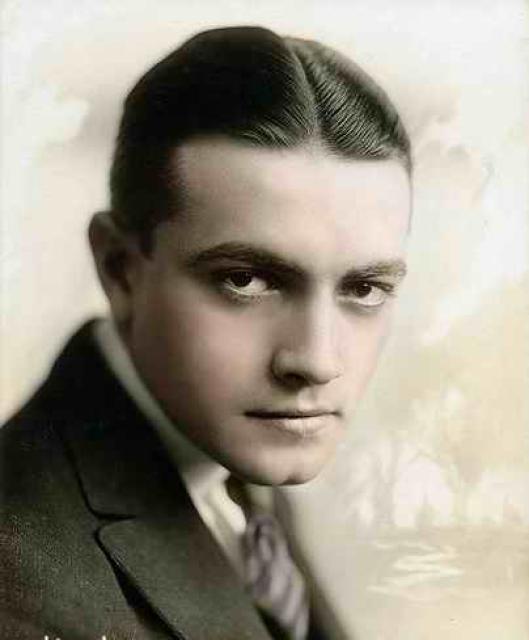
In 1921, he decided to establish his own film company. Teaming up with renowned director Henry King and Charles H. Duell, Barthelmess founded "Inspiration Pictures." The company released eleven films, but only two of them were profitable. After six years, the company had to shut down. Nevertheless, Barthelmess secured a lucrative contract that included shooting three films per year. In the second half of the 1920s, his roles as neighborhood boys became memorable to audiences, such as Nikki Elkins in "The Trap", Jerry Larabee in "The Noose," and David Carroll in "The Dawn Patrol." In 1929, Barthelmess was one of the first two nominees for the Academy Award for Best Actor. However, Emil Jannings was the winner. The introduction of sound in movies led to many actors losing their jobs, but fortunately for Barthelmess, he was not among them. Although this innovation did impact his work, it also provided new technical possibilities. The actor had the opportunity to create more complex psychological roles. In the early 1930s, there were no young stars capable of competing with Barthelmess, and sound allowed him to portray more intricate characters. The film "Shadows to the South" tells the story of Marvin Blake (Barthelmess), a young man taken in by a wealthy plantation owner as a child. As he grows up, he becomes the object of the plantation owner's daughter's attention. Barthelmess's co-star in this film was newcomer Bette Davis. In "The Last Flight," Barthelmess played a representative of the lost generation, and in "Heroes for Sale," he portrayed a negative character for the first time. However, by the mid-1930s, the studio refused to renew his contract. For several more years, he was invited to play supporting roles. One of these roles was Bat McPherson, a pilot in the film "Only Angels Have Wings." Barthelmess played a pilot who finds himself in a situation that cost his comrade's life. Feeling guilty, McPherson changes his name and moves to another country. But there, he encounters his deceased brother's look-alike. He could not atone for his guilt but managed to make peace with himself. Rita Hayworth played his wife, and this was her debut in a major film category. Barthelmess's last film was "13 West Street" directed by Alfred E. Green. He made one more appearance in William Castle's horror film "Homicidal." However, he was listed as a chronicle episode and not credited in the film. In 1920, Barthelmess married dancer and actress Mary Haye. She also appeared in Griffith's films, and the movie "The Love Flower" brought her and Barthelmess together on the same set. After their marriage, she only appeared in one more film, "New Toys." Together, they became producers and played the lead roles in the film. Richard and Mary had a daughter, whom they named after her mother. However, the marriage did not last, and the couple separated in 1927.
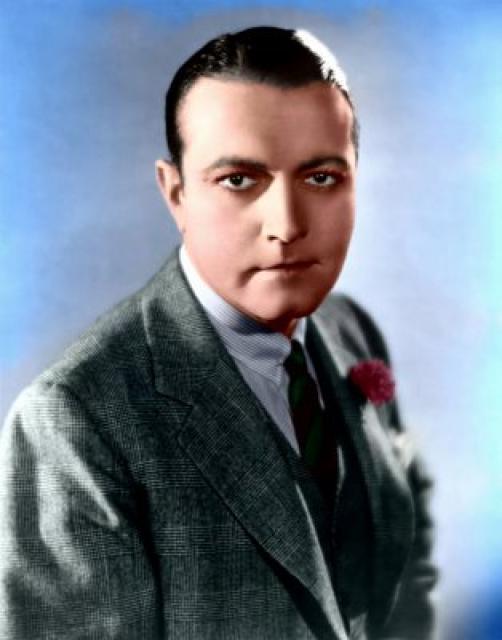
But the following year, Richard Barthelmess remarried. His wife was Jessica Stuart Sargent. This marriage turned out to be successful and lasted until Barthelmess's death. In 1942, without a contract or new offers for film roles, Barthelmess enlisted in the United States Navy during World War II. He served until the end of the war and retired as a lieutenant captain. Thanks to wise real estate investments, he ensured a secure life for himself.
Richard Barthelmess died on August 17, 1963, in Southampton, from throat cancer. He was buried in Ferncliff Cemetery, 25 miles north of Manhattan. He received two nominations for the 1929 Academy Awards for Best Actor for his roles in "The Trap" and "The Patent Leather Kid." Barthelmess was one of the 36 founding members of the Academy of Motion Picture Arts and Sciences, which now presents the Oscar. He was honored with a star on the Hollywood Walk of Fame, with the number 6755, for his contributions to the film industry.