Richard Beal
 USA
USARichard Bill - A Daring Cavalryman and Politician
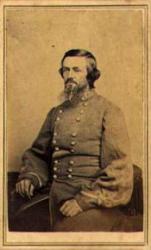
Richard Lee Turberville Bill was born on May 22, 1819, in Hickory Hill, Westmoreland County, Virginia. He received his education at the Northumberland Academy and Dickinson College in Pennsylvania. He continued his studies in law at the University of Virginia, graduating in 1838.
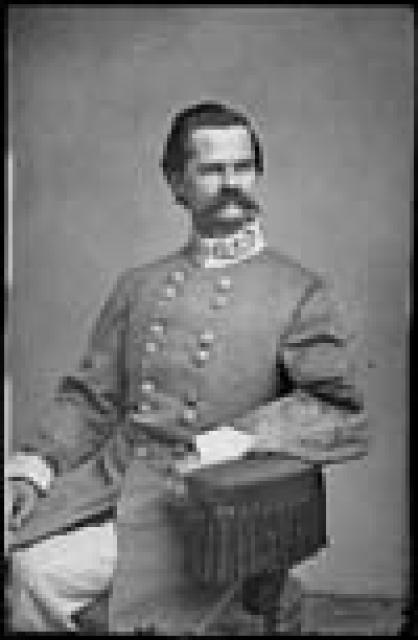
After completing his education, Richard Bill began practicing law and simultaneously entered politics. From 1847 to 1849, he represented his district in the United States Congress. In 1850, he was elected as a delegate to the Virginia Convention on State Reform, and in 1857, he entered the Virginia Senate.
When Virginia seceded from the Union, Bill voluntarily joined the Confederate cavalry. He quickly rose to the rank of major and assumed command of Camp Lee on the Potomac River, where his intellect and sound judgment were invaluable. He later served in the 9th Virginia Cavalry under Colonel William Henry Fitzhugh Lee, and when Rooney Lee was promoted to brigadier general, Bill took command of the regiment.
In December 1862, Richard Bill gained widespread admiration and recognition for a bold raid into Rappahannock County, during which he forced the federal garrison in Leeds to surrender without losing any of his soldiers. On April 16, 1863, he was commended by Jeb Stuart for heroically repelling a dangerous raid by federal cavalry under the command of Stoneman, which threatened the South. Despite his military successes, Bill did not consider himself a military man and attempted to resign three times between 1862 and 1863, but his requests were not accepted.
The 9th Virginia, under Bill's command, distinguished itself in the Battle of Fleetwood and participated in Stuart's raid into Maryland. They also fought at Gettysburg. During the Battle of Culpeper Court House, Bill had to assume command of Rooney Lee's entire brigade. In March 1864, Bill led his regiment on a forced march from Northern Neck in an attempt to intercept Dalgren's raid. In a brief battle, his men captured 175 Union soldiers. Among Dalgren's personal papers, plans were discovered to burn Richmond and assassinate President Davis and the entire Confederate cabinet. However, the federal authorities later disavowed any connection to these plans.
Bill continued to command his regiment in operations on the Rapidan and James Rivers. He distinguished himself in the Battle of Stony Creek, and his cavalrymen captured two enemy flags in the Battle of Reams Station. In August 1864, after the death of Brigadier General Shambless, Richard Bill assumed command of his brigade, although he himself was only promoted to brigadier general shortly before the end of the war in February 1865.
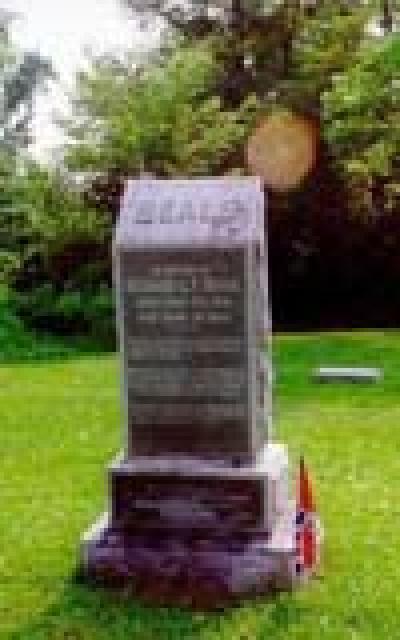
After the surrender, Richard Bill returned to his hometown and resumed his career as a lawyer, while also making attempts to re-enter mainstream politics. He passed away on April 21, 1893, in Hague, Virginia, surrounded by his large family, including children and grandchildren.