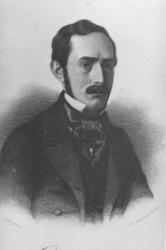
Robert Adam
 Great Britain
- Robert Adam: A Pioneer of English Neoclassicism
- Architectural Inspiration in Europe
- Triumph in England
- Architectural Legacy
- Later Years and Legacy
Robert Adam: A Pioneer of English Neoclassicism
Early Life and EducationRobert Adam was born on July 3, 1728, in Kirkcaldy, Scotland. Educated at the University of Edinburgh, he likely studied architecture under his father before embarking on a transformative journey to France and Italy from 1754 to 1758.

Architectural Inspiration in Europe
In Europe, Adam immersed himself in the study of ancient and Renaissance architecture. His seminal work, "Ruins of the Palace of the Emperor Diocletian at Spalatro in Dalmatia" (1764), showcased his deep understanding of Roman architectural principles. This publication solidified his status as an influential interpreter of the classical revival.
Triumph in England
Upon his return to England, Adam swiftly rose to prominence. Appointed Architect to the King in 1762, he became a leading figure in British architecture. His masterpiece, the Adelphi Terrace, exemplified his innovative use of classical forms in harmonizing urban landscapes.
Architectural Legacy
Adam's architectural innovations extended to private residences and public buildings alike. His use of refined detailing, harmonious proportions, and a vibrant palette became synonymous with the Adam style. Notable works in London include the Admiralty Screen, Fitzroy and Finsbury Squares, and numerous grand houses in the West End.
Later Years and Legacy
Robert Adam passed away in London on March 3, 1792, leaving behind an extensive portfolio of architectural masterpieces. His designs, characterized by elegance and timeless beauty, continue to inspire architects and design enthusiasts alike. Adam's influence extended beyond Britain, shaping architectural trends in America and throughout Europe. His legacy endures as a testament to his brilliance as a visionary pioneer of English neoclassicism.