Robert Schiestl
 USA
USA- Potential of Probiotics in Cancer Prevention
- Gut Bacteria and Cancer Risk
- Lactobacillus johnsonii 456: A Promising Probiotic
- Inflammation and Cancer Development
- Animal Model Study
- Metabolic Analysis
- Implications for Cancer Prevention
- Publication and Future Research
Potential of Probiotics in Cancer Prevention
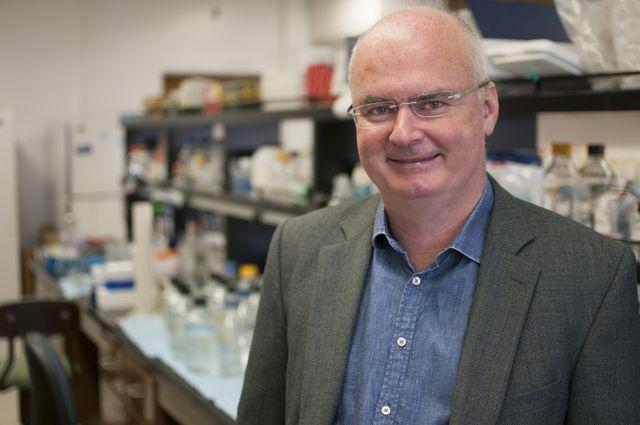
UCLA Professor Sheds Light on the Role of Gut BacteriaProfessor Robert Schiestl of the University of California, Los Angeles (UCLA) has led research indicating that increasing the levels of "good" bacteria in the gut may slow or halt the development of cancerous diseases. This discovery stems from mounting scientific evidence suggesting that intestinal bacteria can play a significant role in both initiating and preventing obesity and other chronic conditions.
Gut Bacteria and Cancer Risk
In a recent study, Professor Schiestl and his team demonstrated that specific strains of gut bacteria possess anti-inflammatory properties. This finding suggests that personalized testing could help identify and monitor gut bacteria, enabling physicians to prescribe probiotics to boost levels of beneficial bacteria that combat inflammation.
Lactobacillus johnsonii 456: A Promising Probiotic
One of the beneficial bacteria identified by the research team is Lactobacillus johnsonii 456. This strain has been shown to exhibit anti-inflammatory properties and reduce DNA damage in mice. Notably, Lactobacillus johnsonii 456 is also commonly found in fermented foods like yogurt and kefir.
Inflammation and Cancer Development
Inflammation is a key factor in the development of various diseases, including cancer, neurodegenerative disorders, heart disease, arthritis, and lupus. By reducing inflammation, probiotics may have the potential to protect against cancer formation.
Animal Model Study
In the study, mice with mutations that increased their susceptibility to lymphoma were divided into two groups. One group received only anti-inflammatory bacteria, while the other received a mix of inflammatory and anti-inflammatory microbes like those typically found in the gut. The group with higher levels of beneficial bacteria took significantly longer to develop lymphoma.
Metabolic Analysis
The researchers also analyzed metabolites, molecules produced by metabolic processes in the gut, in the urine and feces of the mice. They found that the group receiving only beneficial bacteria produced metabolites known for their cancer-preventing properties. Additionally, these mice exhibited increased fat burning and oxidative metabolism, which may further reduce cancer risk.
Implications for Cancer Prevention
The combined results of the study strengthen the hypothesis that manipulating the microbiome could be an effective strategy for preventing or mitigating cancer risk. Professor Schiestl's research has implications for both healthy individuals and those with a predisposition to cancer. While probiotic supplements may hold promise as a form of chemoprevention for the general population, they could potentially reduce tumor incidence in genetically susceptible individuals.
Publication and Future Research
The findings of Professor Schiestl's team have been published in the journal "PLOS ONE." Future research aims to investigate the specific mechanisms by which gut bacteria influence cancer development and explore the potential of probiotics as a therapeutic or preventive measure.