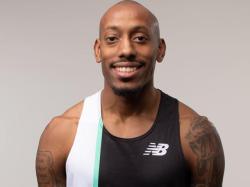
Roger Bannister
 Great Britain
- Sir Roger Bannister: A Medical Trailblazer and Sporting Legend
- The Impossible Feat
- Triumph and Aftermath
- Life after Athletics
- Legacy and Recognition
Sir Roger Bannister: A Medical Trailblazer and Sporting Legend
Early Life and Athletic CareerSir Roger Bannister, born in Harrow, England, was a renowned neurologist and athlete. Although his contributions to the field of neurology earned him significant accolades, it is for his groundbreaking athletic achievement that he is best known: breaking the four-minute mile barrier.
The Impossible Feat
On May 6, 1954, Bannister accomplished what had been deemed medically impossible. For years, the four-minute mile had been considered an insurmountable challenge in sports. But Bannister, driven by determination and a belief in human potential, set out to prove otherwise.
With the support of his running companions, Chris Chataway and Chris Brasher, Bannister meticulously planned his attempt at the Oxford University Iffley Road track. Despite unfavorable weather conditions, Bannister remained focused and executed a flawless race.
Triumph and Aftermath
In a breathtaking spectacle, Bannister crossed the finish line in 3 minutes and 59.4 seconds, shattering the mythical barrier. His victory sent shockwaves through the sporting world and inspired countless athletes to push the boundaries of human endurance.
Bannister's achievement not only demonstrated the incredible physical capabilities of the human body but also challenged the prevailing scientific beliefs. By proving that the four-minute mile was not just an unattainable dream, Bannister empowered athletes and individuals worldwide to believe in their own capabilities.
Life after Athletics
After his historic run, Bannister went on to become a distinguished neurologist. He made significant contributions to the field, specializing in the study of autonomic disorders. For his services to sports and medicine, Bannister was knighted in 1975.
Legacy and Recognition
Sir Roger Bannister's legacy extends far beyond his athletic feats. As chairman of the Sports Council, he played a pivotal role in promoting physical activity and establishing new sports facilities. He also pioneered the use of drug testing in sports to ensure fair play.
In 2002, Bannister's four-minute mile achievement was ranked 13th in Channel 4's "100 Greatest Sporting Moments." In 2004, the BBC interviewed Bannister, who surprisingly stated that his most significant accomplishment was not breaking the four-minute barrier but his subsequent forty-year career as a neurologist.
In 2012, the Iffley Road track was renamed the Sir Roger Bannister Stadium in his honor. Carrying the Olympic torch into this stadium during the London 2012 Games was a fitting tribute to his enduring legacy as both a medical pioneer and an athletic icon.